Roofing Installation
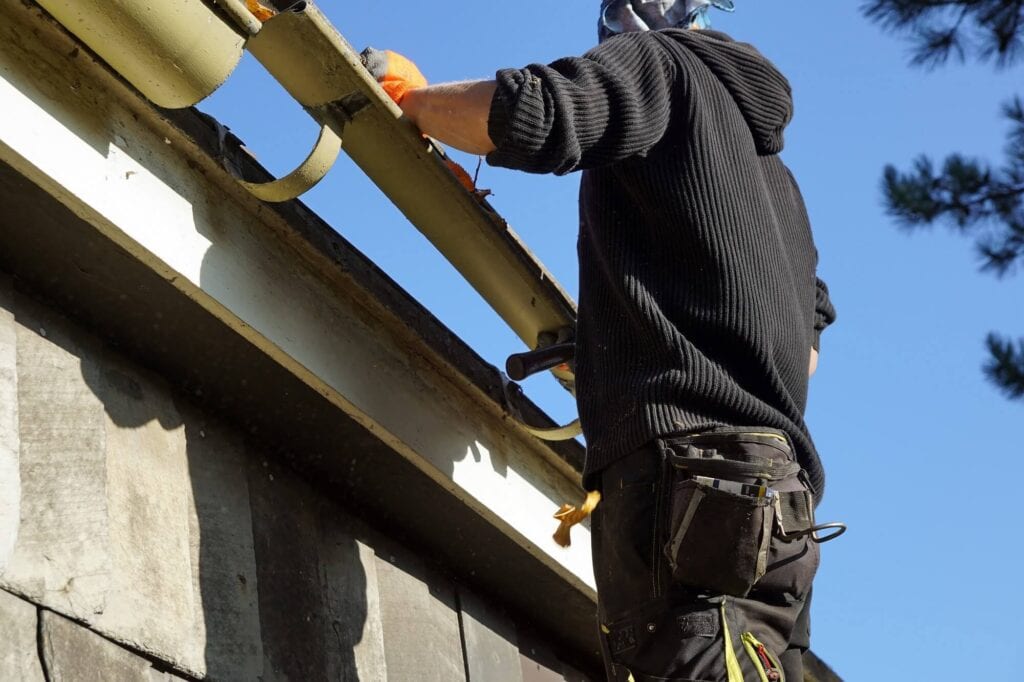
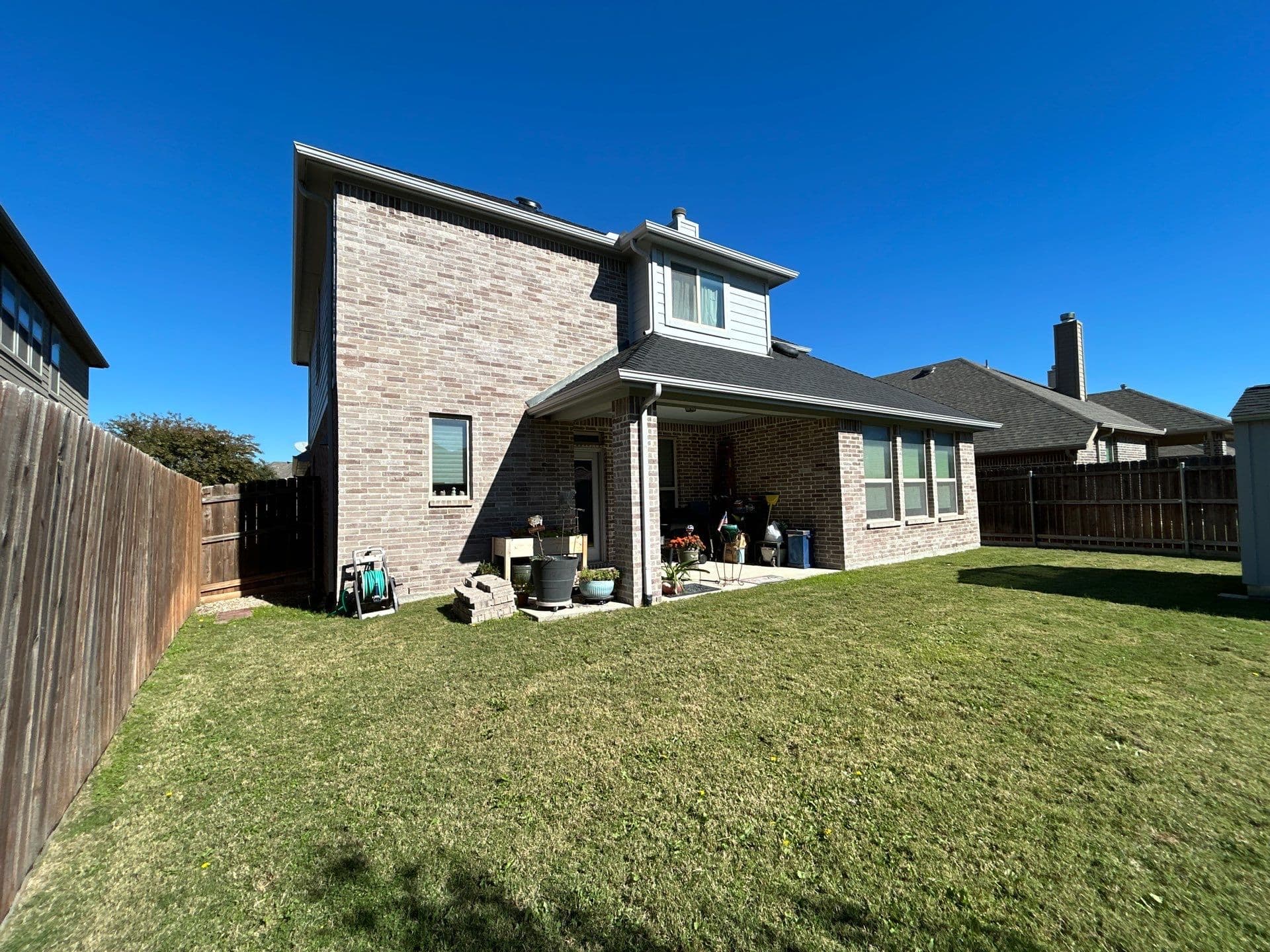
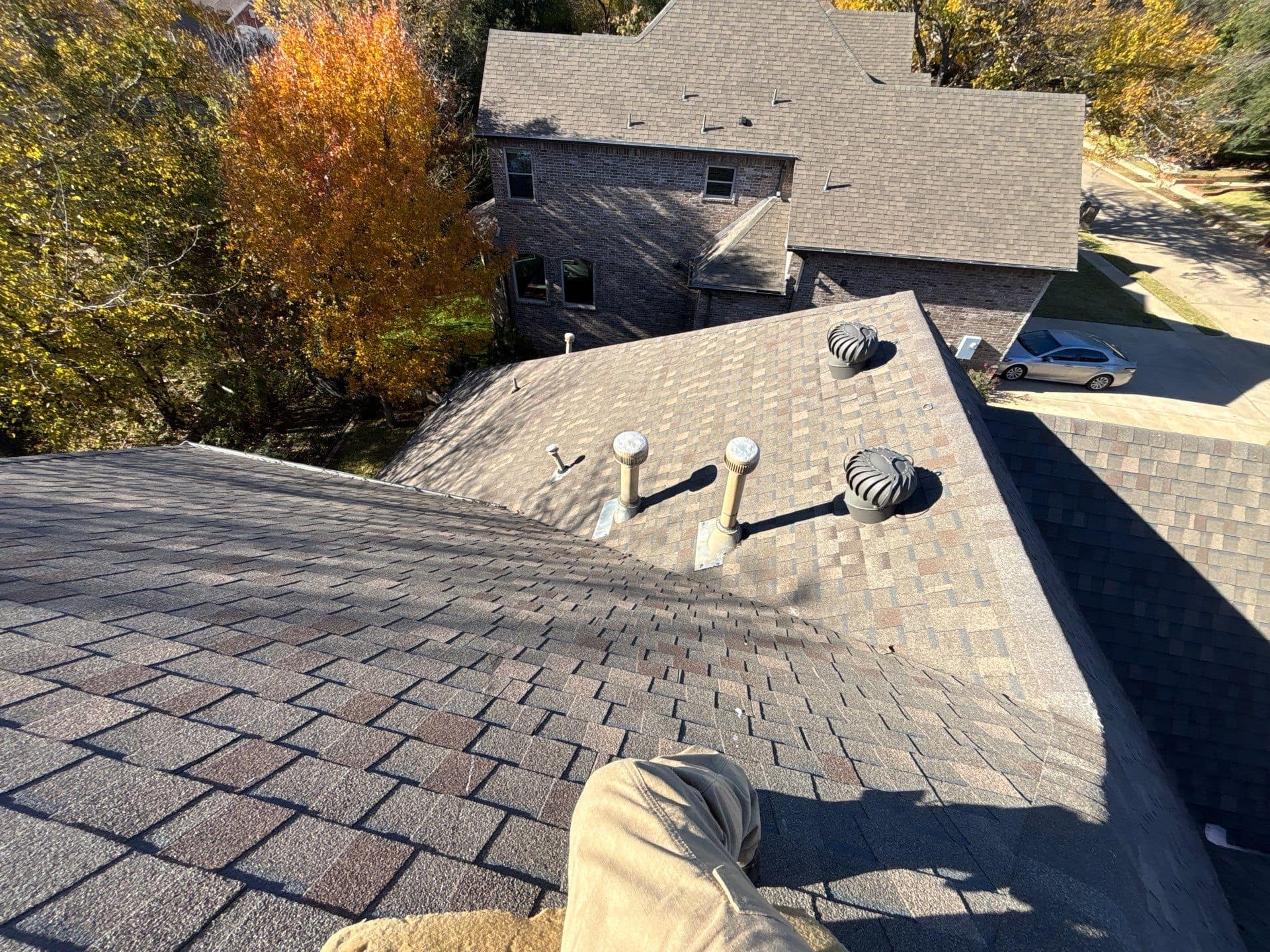
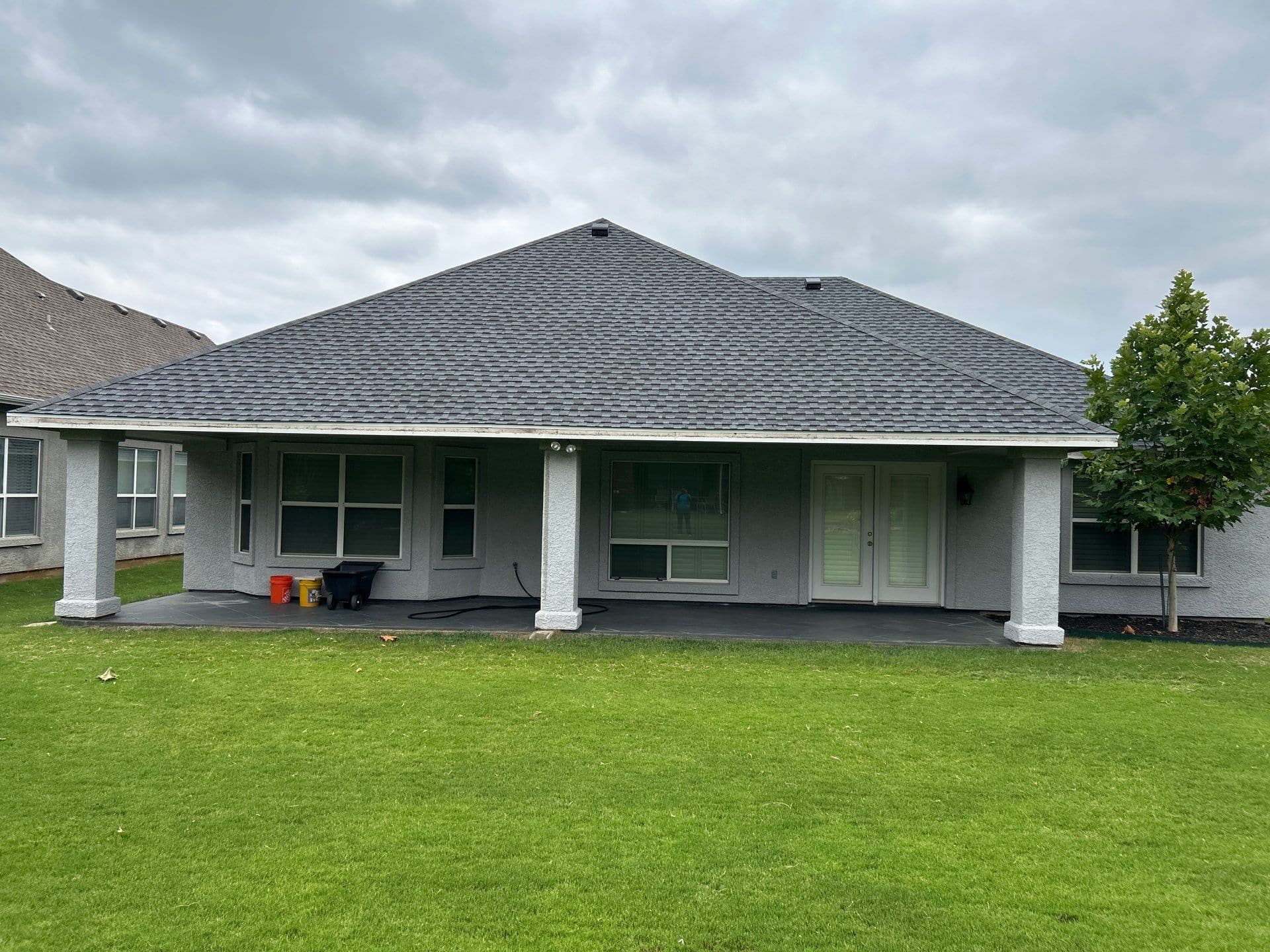
Rain, wind, sun and snow all land on the roof before they reach anything else, and the work behind Roofing Installation is what holds them back; a sound roof protects the structure, the insulation and the contents; below you will find a clear overview to help you compare approaches; the scope is written down so it can be compared.

Understanding Roofing Installation
Roofing Installation is the process of building a complete roof on a structure, layer by layer, from bare framing or a prepared deck up to the finished surface; details that look minor from the ground, such as fasteners and flashing, decide how a roof performs in wind and rain. Before a single bundle is opened, the plan should settle the material, the underlayment, the flashing details and the vent layout; a written scope turns a plan into a checklist that the crew and the owner can follow together.
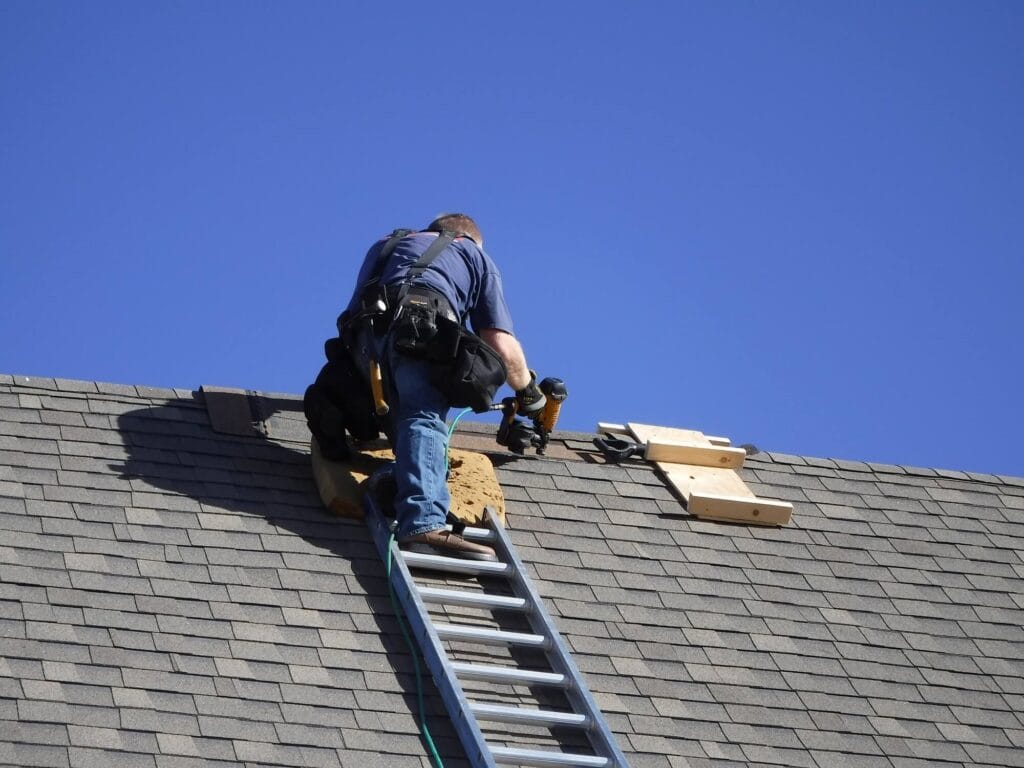
A crew arrives with materials staged, protection in place and a clear plan for the day, so the work can begin without confusion; weather is checked each morning, and the day's work is planned to finish before the next rain. Tear-off reveals the truth about the structure beneath, including rotted decking, loose boards and gaps around penetrations; dry, clean decking is what allows underlayment and fasteners to do their work. A neat perimeter sets the lines for the whole roof, so edge details receive careful attention; water that reaches wood trim causes slow damage that no one notices until paint peels.
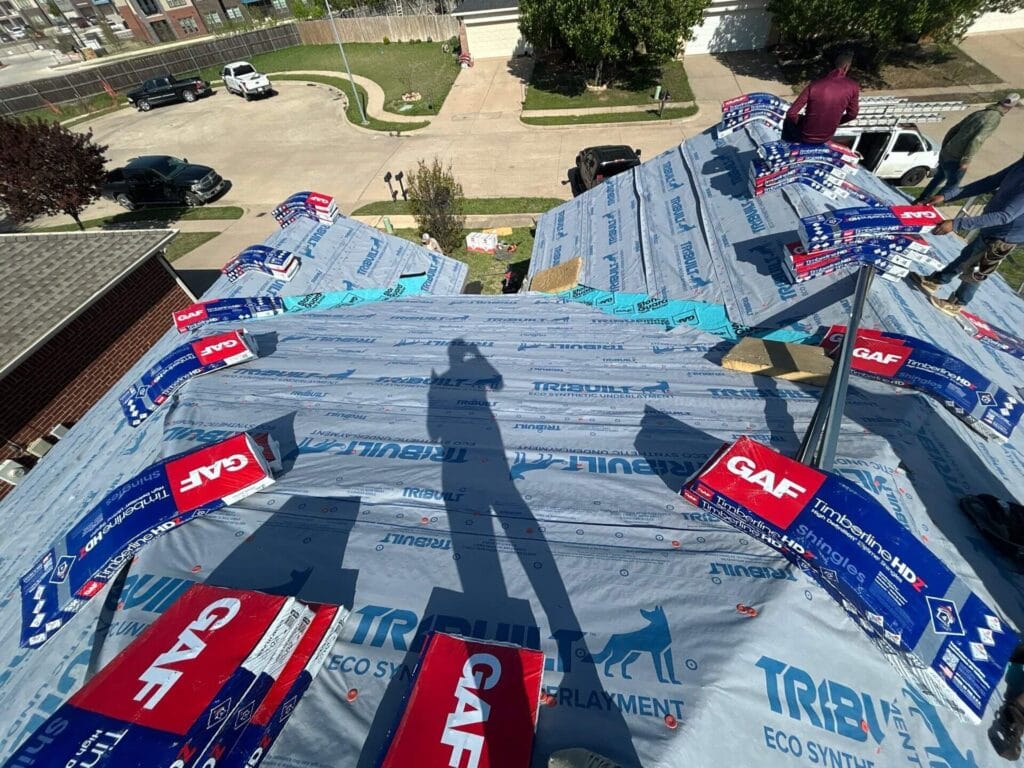
Synthetic or felt underlayment protects the deck during the job and continues to protect the building if the surface is damaged; a membrane is fastened flat and smooth so that wrinkles do not telegraph through to the surface. A roof stays watertight at its joints because of flashing, not because of the surface material, so every joint receives its own piece of metal; reusing worn flashing is a shortcut that rarely pays off. Courses are chalked, checked and adjusted as the work climbs, so the lines stay true across the whole roof; following the manufacturer's instructions is the baseline for a sound installation. Valleys carry the runoff from entire slopes, so they receive wider underlayment and careful sealing; clean valley lines are a quiet sign of a careful installation.
Vent placement is planned with the attic in mind, because a hot, humid attic shortens the life of a new roof from below; careful ridge work keeps wind and water from finding the top edge of the roof. Timing depends on roof size, material and weather, and a clear schedule tells you when to expect crews and how long each stage should take; a start date and an expected finish date written into the scope remove a lot of uncertainty. When the last piece is installed, the crew walks the roof, checks every detail and picks up scraps and fasteners from the property; photos taken at each stage give the owner a record of what is now hidden beneath the surface.
What our Roofing Installation work covers
Architectural Shingle Roofing Installation
The Architectural Shingle Roofing Installation job is the process of putting a new roof to a new structure, an addition or a stripped deck; a walk-through at the end confirms that the work is complete and clean; the old material is hauled away as the work proceeds.
Asphalt Shingle Roofing
The Asphalt Shingle Roofing service is about choosing a shingle line and installing it to the manufacturer instructions; proper fastening and flashing matter as much as the shingle itself; matching hip and ridge pieces finish the look.
Asphalt Shingle Roofing Installation
Seen as part of the whole exterior, the work behind Asphalt Shingle Roofing Installation works together with the gutters, siding and windows; a short conversation about your property is a good place to start; flashing, ventilation and drainage each play a part.
Designer Shingle Roofing Installation
The first question about Designer Shingle Roofing Installation is usually how the roof looks and performs today; small adjustments to the plan can make a big difference in the result; photos taken during rain show problems that dry weather hides.
Premium Shingle Roofing Installation
The scope of Premium Shingle Roofing Installation depends on the roof, the material in place and the goals of the owner; questions about the process are welcome at any stage; the scope is easier to compare when it names the system and the layout.
Residential Roof Installation
Roof Installation
Roof Restoration
The Roof Restoration job is aimed at extending the life of an existing roof by cleaning, repairing and recoating it; a written scope lists what will be repaired and what will be applied; weak spots are repaired before the surface is recoated.
How our Roofing Installation work goes
- Look over the whole roof system The walk-over takes in the condition of the covering, the drainage, the flashing and the roof edge; attic or interior checks look for stains, damp insulation, daylight and poor ventilation; earlier patches and repairs are examined to see whether they are holding; soft or stained decking is probed gently to see how deep the damage goes.
- Settle the scope and the specifications Slope, structure and drainage are considered when matching a roofing system to the property; questions about color, accessories and literature from the manufacturer are settled before the order is placed; questions about noise, parking and working hours are settled before the start; the owner approves the scope before materials are ordered.
- Remove, repair and install Old material is removed where needed, damaged decking is repaired, and the surface is prepared for the new layers; edges, ridges, valleys and penetrations are finished with care to keep water out and the lines straight; underlayment is lapped from the eaves upward and sealed around penetrations; fasteners are matched to the material being installed.
- Complete the details and tidy the property A final inspection covers the surface, the flashing, the vents and the edges for secure fastening and clean lines; the site is swept, and a walk-through explains the finished work and how to care for it; questions about care and inspection are answered at the walk-through; a few matching spare pieces can be left with the owner if wanted.
Roofing Installation options and materials
Asphalt shingles
The shingles are made from a fiberglass mat coated with asphalt and topped with mineral granules; ventilation and underlayment affect how well the roof performs, whatever shingle is chosen; algae-resistant granules are offered for damp, shaded roofs.
Laminated shingles
Architectural shingles are made from multiple layers laminated together, giving a thicker, dimensional look; the extra thickness can improve wind resistance and durability in many product lines; matching hip and ridge pieces finish the look.
Corrugated and exposed-fastener metal
Panel and shingle profiles give options for both utilitarian and decorative roofs; samples help to show the colors and textures in daylight; painted finishes should be chosen for the exposure on that roof.
Standing seam metal roofing
Standing seam roofs use long metal panels that interlock with raised seams running from ridge to eave; experience with metal matters, because the installation methods differ from other roofing; metal roofs can go over a properly prepared deck or, in some cases, over an existing layer.
TPO single-ply membrane
A white or light-colored surface reflects sunlight, which helps keep the building cooler; regular inspections help catch small seam problems early; reflective surfaces can help reduce rooftop heat.
What customers say
My new roof and gutters exceeded my expectations!! I would highly recommend this company for your roofing needs. I will be recommending them to anyone of my friends needing roof or gutter installation or repairs. Thank you very much, Dasha & Jason 😁
We had the most positive experience ever with Jason and his crew. Upon meeting Jason for our estimate he was very thorough and professional. He showed genuine care and concern for meeting every need and giving a fair price. One of my concerns was the protection of our flower beds and hedges and he provided so much...
J Riley Roofing & Gutters supplied and installed 250' of gutter guards for our home. Very personable and professional, great product, job completed on schedule, and installation was excellent. Extremely reasonable price.
I just had all three roofs on my home and buildings replaced alone with the gutters by J. Riley Roofers and I’m absolutely thrilled with the results. I interviewed 14 roofing companies and 5 gutter guard companies before choosing them. Jason gave me an honest, detailed assessment and never tried to cut corners like...
From the initial inspection and quotation, to the roof and gutter installation, Jason and his team were professional, helpful, and courteous. The roof looks great and the attention to detail (including cleanup) was fantastic. We would recommend Jason and J. Riley Roofing to anyone!
planning was personal and installation was superb … we’ve had a couple of good rains now and our new gutters function perfectly … great job Jason G and team at J Riley Roofing
Common questions about Roofing Installation
What are the signs that a roof needs attention?
Granules collecting in the gutters, moss growth and loose flashing are further warning signs; an inspection can tell whether the issue is cosmetic or structural; look for shiny spots in the attic where nails have sweated.
Is it better to repair or replace a roof?
Repair makes sense when the problem is limited to a small area and the rest of the roof is sound; widespread wear, repeated leaks, sagging and moisture in the decking point toward replacement; a leak that keeps coming back in the same spot suggests the repair is not reaching the cause.
Shingles or metal: which is better?
Metal comes as panels or shingles and tends to be more rigid, while asphalt is flexible and quick to install; local conditions such as heavy snow, hail or high winds can influence the choice; samples help show how colors look in daylight.
What should I do about a roof leak?
Containing the water inside and recording the damage are sensible first steps; prompt attention keeps small leaks from becoming large repairs; a leak at a ceiling can start several feet away on the roof.
How do I handle roof damage from a storm?
After a storm, look for missing shingles, dented metal, damaged gutters and debris on the roof; keep receipts and records for any emergency work; ceiling stains should be photographed and measured to track growth.
What should a roofing estimate include?
A thorough proposal describes the materials, the preparation and the finishing details; questions about repairs to hidden damage and how they are handled belong in the discussion; a drawing of the roof helps everyone agree on the area covered.
Areas we serve for Roofing Installation
We provide Roofing Installation across 27 areas.
- Annaville Texas 940-456-9905
- Argyle Texas 940-456-9905
- Azle Texas 940-456-9905
- Boyd Texas 940-456-9905
- Briar Texas 940-456-9905
- Bridgeport Texas 940-456-9905
- Decatur Texas 940-456-9905
- Haslet Texas 940-456-9905
- Justin Texas 940-456-9905
- Keller Texas 940-456-9905
- Krum Texas 940-456-9905
- Lake Worth Texas 940-456-9905
- Lakeside Texas 940-456-9905
- New Fairview Texas 940-456-9905
- Northlake Texas 940-456-9905
- Ponder Texas 940-456-9905
- Reno Texas 940-456-9905
- Rhome Texas 940-456-9905
- River Oaks Texas 940-456-9905
- Roanoke Texas 940-456-9905
- Saginaw Texas 940-456-9905
- Sansom Park Texas 940-456-9905
- Springtown Texas 940-456-9905
- Trophy Club Texas 940-456-9905
- Watauga Texas 940-456-9905
- Westworth Village Texas 940-456-9905
- White Settlement Texas 940-456-9905
Our other services
Ready to plan your project?
Contact J. Riley Roofing & Gutters when you are ready to move forward; questions are welcome at any stage; details can be talked through before anything is decided.