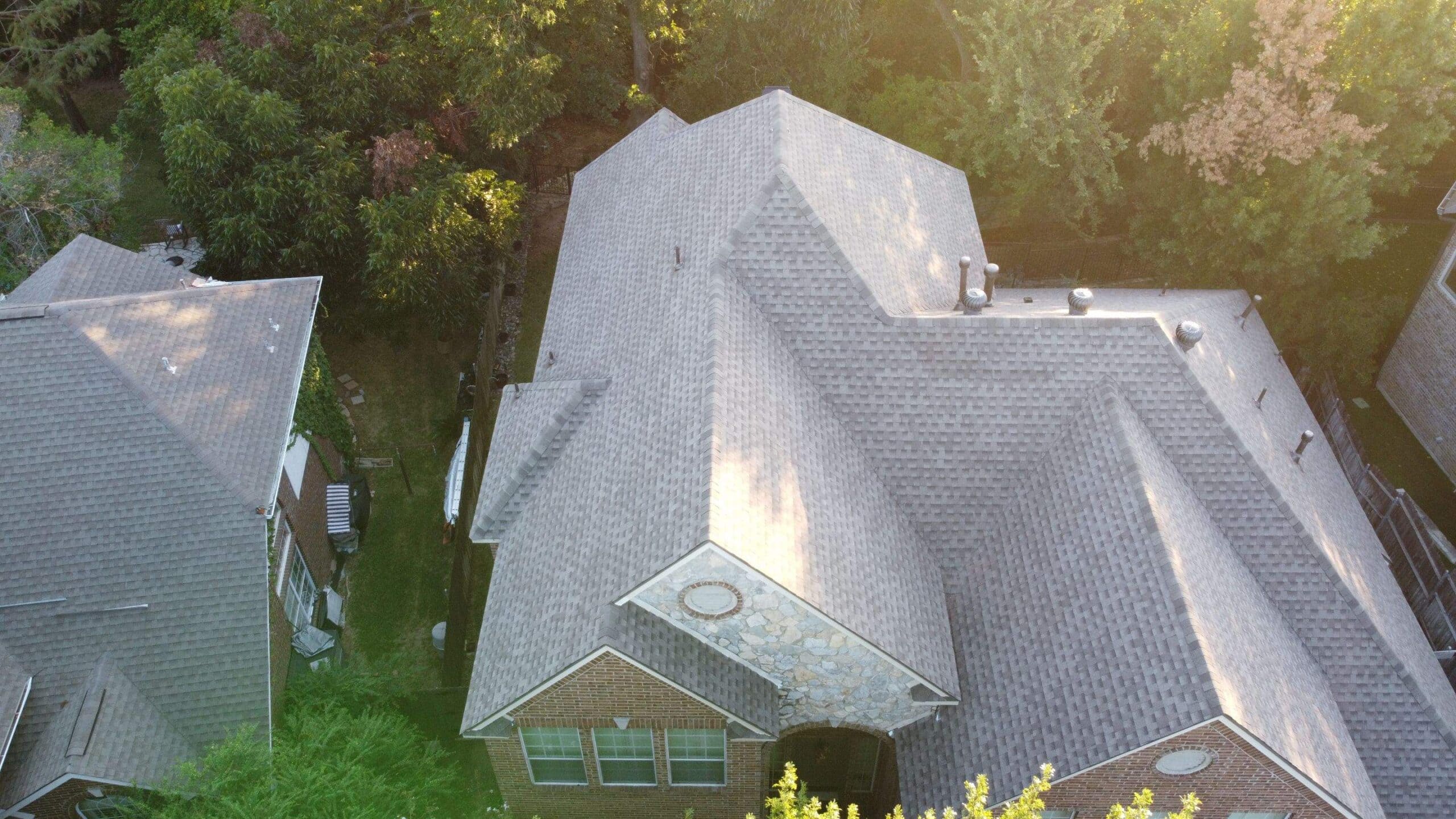
Leaf Guard Installation
Homeowners and property managers reach for Leaf Guard Installation when overflow, sagging or stained walls show up. Small problems are easier to solve than large ones; here is a clear overview to help you weigh the choices; options are presented side by side for easy comparison.

About Leaf Guard Installation
The point of Leaf Guard Installation is to match a cover to the particular mess a property produces, whether broad leaves, needles, seed pods or catkins; a plan built around the actual trees works far better than a generic one. Small seeds, blossoms and fine bits fall through every season from some trees, and they collect in the finest openings of a cover over time; photos of the trees and the roof edge help an installer recommend something suited to the site.
Wind carries leaves from across the yard and piles them against walls, so a property can collect debris from trees that stand far away; a roofline that funnels water and debris to one corner often needs extra outlets. Autumn is the busy season for tree debris, but spring brings blossoms and seed pods, and summer storms strip leaves and limbs; a pre-season walk around the property gives a clear picture of the work ahead.
Roof edges and valleys are cleared too, so loose debris on the surface does not wash onto a new cover on the first day; seedlings sprouting in the trough are a sign that debris has been sitting a long time. Where large trees overhang a roof, an arborist can advise on pruning that is safe for the tree and for the building; leaving trees alone is a valid choice, and a stronger cover can handle the extra load.
In places where valleys dump large volumes of water, covers with a strong, rigid frame hold their shape and keep water on course; installers who know the trees on a property tend to deliver more thoughtful results. After installation, leaves still land on top, and wind or rain clears most of them, though some remain until they are brushed or rinsed away; safe tools matter, and anything that feels risky should be left to a professional.
Commercial buildings often have long gutter runs under mature trees, and covers can reduce service calls when well chosen; a standard design across a portfolio simplifies ordering and repairs. Evaluating a cover under trees is practical: ask for a demonstration with your own leaves, ask how it handles needles and seed pods and ask what cleaning it will need; a cover that works on one property may disappoint on a different one. Larger troughs and downspouts give a system extra room, which helps when heavy rain meets a cover blanketed in wet leaves; water that outruns the system lands on soil and siding, so capacity is part of any good plan. Rain barrels and rain gardens work well with clean water, which is one more reason to keep leaves out of the trough in the first place; water used in the garden is water that does not run toward the foundation.
Leaf Guard Installation options and materials
Guards, screens and covers
A guard system is added to keep debris out of the runs so cleaning is needed less often; it helps to match the guard to the debris you actually have, whether that is large leaves, pine needles or seed pods; maintenance is lighter than with open gutters, though not eliminated.
One-piece aluminum gutters
As a choice, aluminum does not rust, weighs little and comes in many baked-on finishes; a single piece from corner to corner leaves only the ends and the outlets to seal; paint finishes are baked on at the factory and are meant to resist fading.
Half-round profile
Among the options, half-round profiles are a classic look on period houses and on modern homes with simple lines; hangers are visible in this style, so the choice of bracket becomes part of the look; many owners choose it when replacing original gutters on an older home.
Fascia boards and trim
Gutters are only as sound as the fascia board behind them, so damaged boards are repaired or replaced first; replacing the damaged section and priming the new wood prevents the problem from coming back; soffit vents should remain clear so the attic can breathe.
Downspouts, extensions and drains
The path from the roof edge to the soil includes the downspout, an elbow, an extension and the point of discharge; buried drain lines are an option when surface extensions would be in the way; corrugated flexible pipe should be avoided where it can crush or clog.
How our Leaf Guard Installation work goes
- Inspect the roof edge and drainage The work starts with a look at the whole roof edge, from the first corner to the last downspout; notes on overflow marks, rust, peeling paint and pooled soil guide every later decision; photos of the problem areas are kept so the plan can refer back to them; the inspection can be repeated after storms if concerns remain.
- Choose the materials and the layout Laying out runs, miters and outlets comes first, before any material is ordered; the conversation covers size, shape and finish, with the pros and cons of each choice spelled out; where two roof sections meet, the layout makes sure water from the upper roof does not overshoot the trough; any extras are listed apart from the base plan.
- Do the installation or the repair work Failing sections are taken down and the roof edge is prepared before any new run is hung; end caps, corners and downspout connections are completed and checked for tight, clean seams; downspouts are secured to the wall with straps so wind cannot loosen them; scaffolding or ladders are set on firm ground.
- Flush the system and leave the site clean Each run is checked under flowing water so any leak or low spot can be corrected on the spot; debris and offcuts are cleared away, and downspout outlets are pointed away from the foundation; leftover pieces are taken away so nothing remains in the beds or the lawn; the crew checks the downspout outlets one more time.
Common questions about Leaf Guard Installation
What sets one-piece gutters apart from sectional gutters?
One-piece gutters are formed from one length of metal, while sectional gutters are joined from short pieces; sectional gutters can still be a sound choice for small jobs and repairs; a good seam is one that is checked and sealed carefully.
How do I know whether gutters need repair or replacement?
Localized damage is usually a repair, while widespread damage points to replacement; if the same problems keep returning after repairs, replacement is worth considering; water marks on the siding below a run are a sign that the system is failing.
Do gutters with guards need any upkeep at all?
No guard removes upkeep entirely, because fine debris and roof grit can still collect; the right design depends on the type of debris around the property; some designs need a brush or a hose now and then.
Where should downspouts discharge?
Water should be directed onto ground that slopes away from the walls, never against them; avoid sending water onto a driveway or sidewalk where it could freeze; hoses and extensions should be fastened so they do not slide back.
What determines the size of gutter a roof needs?
Size depends mainly on the roof area that drains into each run and on the rainfall the property receives; when in doubt, a wider run with an extra downspout is the safer choice; six-inch troughs are common on larger or steeper roofs.
What makes gutters sag or separate from the fascia?
Ice and the weight of wet leaves can bend the metal and pull out the fasteners; checking the wood behind the gutter is an important part of the diagnosis; fasteners that are too short can work loose in soft wood.
What customers say
J Riley Roofing & Gutters supplied and installed 250' of gutter guards for our home. Very personable and professional, great product, job completed on schedule, and installation was excellent. Extremely reasonable price.
friendly and fast service had gutters cleaned and guards installed
My new roof and gutters exceeded my expectations!! I would highly recommend this company for your roofing needs. I will be recommending them to anyone of my friends needing roof or gutter installation or repairs. Thank you very much, Dasha & Jason 😁
Gutter Guards were installed for much less than other companies. Quick, clean and reasonable price!
We had the most positive experience ever with Jason and his crew. Upon meeting Jason for our estimate he was very thorough and professional. He showed genuine care and concern for meeting every need and giving a fair price. One of my concerns was the protection of our flower beds and hedges and he provided so much...
Jason did an excellent job cleaning gutters and installing Gutter Guards. Highly recommend!l. His daughter is great!
Areas we serve for Leaf Guard Installation
We provide Leaf Guard Installation across 27 areas.
- Annaville Texas 940-456-9905
- Argyle Texas 940-456-9905
- Azle Texas 940-456-9905
- Boyd Texas 940-456-9905
- Briar Texas 940-456-9905
- Bridgeport Texas 940-456-9905
- Decatur Texas 940-456-9905
- Haslet Texas 940-456-9905
- Justin Texas 940-456-9905
- Keller Texas 940-456-9905
- Krum Texas 940-456-9905
- Lake Worth Texas 940-456-9905
- Lakeside Texas 940-456-9905
- New Fairview Texas 940-456-9905
- Northlake Texas 940-456-9905
- Ponder Texas 940-456-9905
- Reno Texas 940-456-9905
- Rhome Texas 940-456-9905
- River Oaks Texas 940-456-9905
- Roanoke Texas 940-456-9905
- Saginaw Texas 940-456-9905
- Sansom Park Texas 940-456-9905
- Springtown Texas 940-456-9905
- Trophy Club Texas 940-456-9905
- Watauga Texas 940-456-9905
- Westworth Village Texas 940-456-9905
- White Settlement Texas 940-456-9905
Our other services
Know your options before you decide
A written estimate puts the materials, the scope and the layout in one place; reach out to J. Riley Roofing & Gutters when you are ready to see the options laid out; the plan covers preparation, installation and cleanup.