Roofing Inspection
Good roofs look simple, and that comes from careful work on the layers underneath; the finest covering still fails if the flashing is wrong; this guide sets out the steps in plain language; concerns are easier to settle early in the planning.

Roofing Inspection: what to know
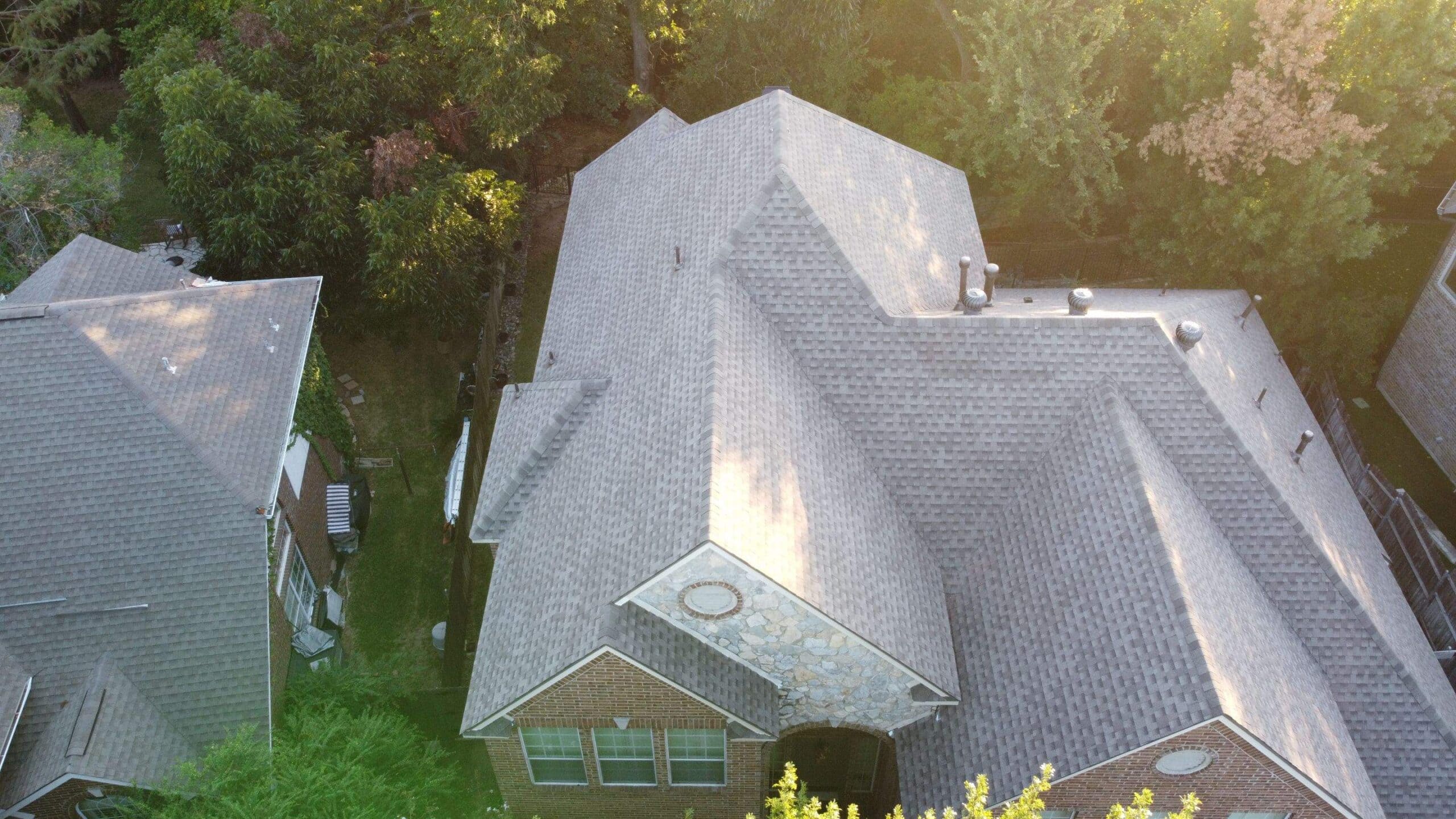
Roofing Inspection is a structured look at every part of a roof, from the outer surface down to the attic and ceilings beneath; what is found on the day becomes the baseline for every later comparison. Owners often book a visit after a storm, ahead of a real estate transaction, or when an aging roof starts to worry them; a roof in good shape today still benefits from a periodic look, since sun and storms keep working on it. An inspection covers more than the shingles, because flashing, vents, valleys and edges are where most leaks begin; a close look at sealant lines shows where the weather has started to break them down. Rubber pipe boots crack in the sun long before shingles wear out, which makes them a favorite place to look for trouble; neglected sealant at a single penetration has caused more interior damage than many owners would believe.
The attic is part of any thorough visit, since stains on decking, damp insulation and daylight through boards reveal problems the surface hides; a flashlight and a careful eye find in minutes what could take months to appear on a ceiling. Hail leaves a pattern of random hits, while wear from sun and age looks even across a slope; a roof checked soon after a storm gives a clear picture before later weather muddies the evidence.
An inspection is a fact-finding visit, which keeps it different from a sales pitch or a repair appointment; pressure to sign on the spot is a sign the visit was never about the roof. The visit follows a checklist so nothing is skipped, whether the roof is a small gable or a sprawling commercial section; nothing is repaired during a survey unless the owner asks, so the visit stays a pure fact-finding step. A useful report lists each finding with a photo, a location, a description and a recommended next step; an owner can use a report to plan work, compare proposals or keep a record of the roof's condition. Findings sort neatly into items to watch, items to repair soon and items to plan for in a bigger project; a plan with dates attached keeps maintenance from slipping off the calendar.
Managers of rental and commercial properties schedule surveys to budget ahead and to catch problems between tenants; photos and notes become part of the property file for whoever owns it next. A sensible routine is a visit each spring and fall, plus one after any severe storm, with the report filed for later comparison; a roof that is looked at regularly rarely surprises its owner.
What our Roofing Inspection work covers
Insurance Roof Inspection
Post-Storm Roof Inspection
After severe weather, the work behind Post-Storm Roof Inspection begins with a safe look at the damage and a plan to protect the building from further harm; a temporary cover can limit damage until permanent work can be done; permanent repairs are matched to the existing roof as closely as possible.
Roof Inspection
Roof Inspection documents the condition of a roof so that decisions rest on facts; inspections are especially useful after storms and before buying or selling a building; the report names areas that need follow-up.
How our Roofing Inspection work goes
- Look over the whole roof system An inspection covers the roof covering, the edges, the valleys and every place where something passes through the roof; attic or interior checks look for stains, damp insulation, daylight and poor ventilation; photos and notes are kept so the plan can refer back to each finding; a moisture meter or camera may be used on suspect areas.
- Plan the project and the materials Repair, restoration and replacement are weighed against the condition of the roof and the plans for the building; agreeing on the details in advance keeps the work on track; measurements are recorded so quantities match the roof; alternate approaches are sketched when the roof is complex.
- Prepare the deck and install Old material is removed where needed, damaged decking is repaired, and the surface is prepared for the new layers; the installation follows the product instructions, which matters for both performance and appearance; flashing is formed and set to each wall, chimney and vent; sealant is applied to clean, dry surfaces.
- Walk through the finished roof The contractor checks that the drainage works and that the gutters are clear of debris; the property is cleaned up, and simple maintenance tips are shared before the crew leaves; leftover material is removed so nothing remains on the property; attic access is closed up and any interior protection is removed.
Roofing Inspection options and materials
Natural wood roofing
Cedar is the traditional choice, valued for its natural resistance and warm color; wood needs more care than most materials, including cleaning to prevent moss and rot; treated products may offer extra fire resistance.
TPO single-ply membrane
The membrane is commonly used on commercial and low-slope roofs because it is light and installs in large sheets; flashing at walls, drains and penetrations is where leaks tend to start on a flat roof; insulation boards under the membrane add thermal performance.
Modified bitumen
Both systems are long-established options for low-slope roofs and can be repaired in sections; ask how the proposed system handles drains, parapets and penetrations; seams and corners are where flat roofs most often leak.
Slate and synthetic slate
Rubber slate tiles are lighter than stone and are shaped to mimic the texture of slate; repairs on slate require specialized skills, so the choice of installer matters; hip, ridge and valley details are cut and set by hand.
Solar roofing
Orientation, shading and roof condition all influence how well a solar array performs; a contractor can explain how the two systems are integrated; local permit rules apply to both the roofing and the electrical work.
What customers say
If you are looking for an honest and responsive Roofer, you need J Riley Roofing. Jason and his team are everything we needed and wanted in a roofing company. He is very responsive, answers your questions in ways you understand (instead of contractor lingo) and is honest. When we bought our house a few years ago, we...
J. Riley Roofing and Gutters are a great company to work with. I have their service plan which includes roof inspections and etc. GREAT COMPANY!!!!
From the initial inspection and quotation, to the roof and gutter installation, Jason and his team were professional, helpful, and courteous. The roof looks great and the attention to detail (including cleanup) was fantastic. We would recommend Jason and J. Riley Roofing to anyone!
I use J. Riley each winter for a roof inspection and to clean behind five skylights and two chimneys. It's not worth climbing the roof and doing it myself and risking a health insurance deductible or worse!
J. Riley repaired our roof and replaced our gutters. Jason provided an estimate the same day as the inspection and completed the work the following week. He provided photos of the issues and was on-time for the repair. This was by far the best experience I’ve had with any contractor in the DFW area! I will definitely...
Jason came out and did a full roof inspection after I experienced a leak after some heavy storms. After inspection, his team was on my roof and had it replaced before the end of the week. We got a GAF System Plus Roof system and it came with the best wind warranty available. We also had his team install new gutters...
Common questions about Roofing Inspection
My roof was hit by a storm, what next?
After a storm, look for missing shingles, dented metal, damaged gutters and debris on the roof; keep receipts and records for any emergency work; do not climb onto a damaged roof, especially when it is wet.
How can I compare roofing estimates fairly?
Compare the materials, the scope of preparation and the extras line by line; questions about repairs to hidden damage and how they are handled belong in the discussion; disposal of old material should be listed.
Should I choose a shingle or a metal roof?
Each material has strengths, and the better choice depends on the building, the budget and the goals; a contractor who installs both can give an honest comparison; samples help show how colors look in daylight.
My roof is leaking, what now?
Safety comes first, so avoid climbing onto a wet roof or touching wet electrical fixtures; contact a roofing contractor and describe where and when the leak appears; a leak at a ceiling can start several feet away on the roof.
What are the signs that a roof needs attention?
Missing, cracked or curling shingles, rusted flashing and sagging lines are common signs; checking the roof from the ground after storms and at the change of seasons is a good habit; rust stains near fasteners can indicate lifting or corrosion.
What does attic ventilation do for a roof?
Airflow under the roof helps control heat and moisture, which affect the roof covering and the structure; a contractor can assess the ventilation and recommend improvements where needed; roofs with complex shapes may need special vent layouts.
Areas we serve for Roofing Inspection
We provide Roofing Inspection across 27 areas.
- Annaville Texas 940-456-9905
- Argyle Texas 940-456-9905
- Azle Texas 940-456-9905
- Boyd Texas 940-456-9905
- Briar Texas 940-456-9905
- Bridgeport Texas 940-456-9905
- Decatur Texas 940-456-9905
- Haslet Texas 940-456-9905
- Justin Texas 940-456-9905
- Keller Texas 940-456-9905
- Krum Texas 940-456-9905
- Lake Worth Texas 940-456-9905
- Lakeside Texas 940-456-9905
- New Fairview Texas 940-456-9905
- Northlake Texas 940-456-9905
- Ponder Texas 940-456-9905
- Reno Texas 940-456-9905
- Rhome Texas 940-456-9905
- River Oaks Texas 940-456-9905
- Roanoke Texas 940-456-9905
- Saginaw Texas 940-456-9905
- Sansom Park Texas 940-456-9905
- Springtown Texas 940-456-9905
- Trophy Club Texas 940-456-9905
- Watauga Texas 940-456-9905
- Westworth Village Texas 940-456-9905
- White Settlement Texas 940-456-9905
Our other services
Ready to get started?
Reach out to J. Riley Roofing & Gutters to set up a time to look at your roof; ask for an estimate whenever you are ready to compare options; photos of the property help the conversation along.