Post-Storm Roof Inspection
Part of Roofing Inspection
A plain-language guide to Post-Storm Roof Inspection, from the first look at the roof to the final cleanup; each section deals with one part of the job. J. Riley Roofing & Gutters is ready to look at your roof and talk through the options; details are explained in everyday words.

About Post-Storm Roof Inspection
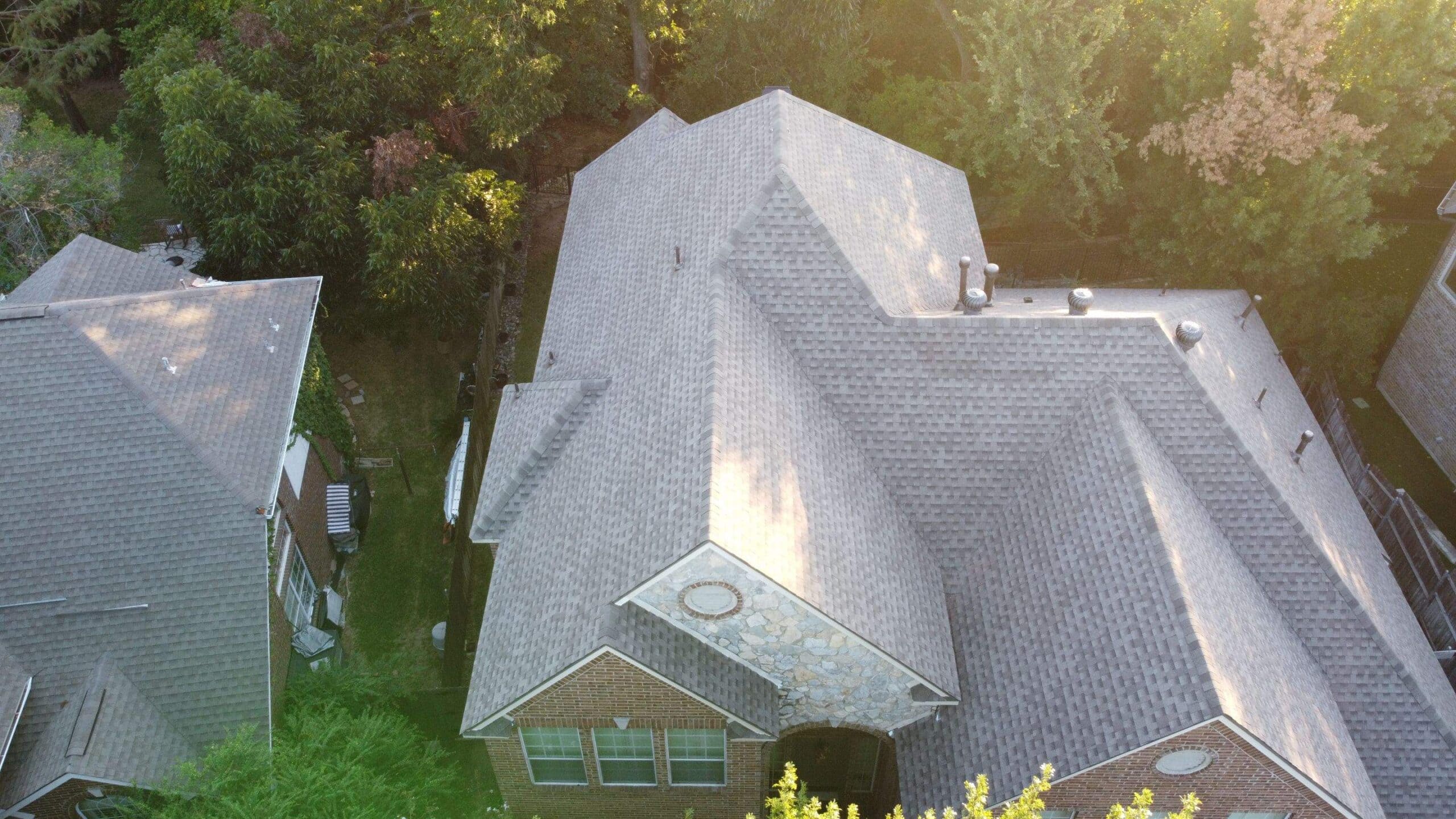
The work behind Post-Storm Roof Inspection covers the roof covering, the penetrations and, where possible, the attic below; findings are recorded with photos and notes for planning repairs; photos are numbered so they match the written notes.
In the aftermath of a storm, the work behind Post-Storm Roof Inspection covers assessment, temporary protection and permanent work as needed; a temporary cover can limit damage until permanent work can be done; roof sections on every slope are checked, not just the ones facing the street.
How our Post-Storm Roof Inspection work goes
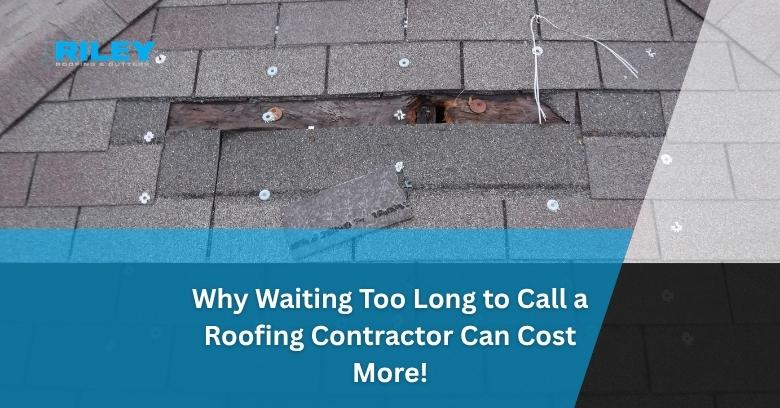
- Assess the surface, the flashing and the attic The contractor walks the roof, or surveys it by other safe means, and checks the surface, the flashing and the penetrations; anything that suggests hidden moisture is marked so it can be opened up and checked; chimneys, skylights and vents are checked closely since they are common leak points; soft or stained decking is probed gently to see how deep the damage goes.
Common questions about Post-Storm Roof Inspection
My roof is leaking, what now?
Contain the water, protect the room and take pictures of the damage as soon as it is safe; contact a roofing contractor and describe where and when the leak appears; notes on when the leak appears help find the cause.
Should I choose a shingle or a metal roof?
Metal comes as panels or shingles and tends to be more rigid, while asphalt is flexible and quick to install; installation methods differ, and experience with the chosen material matters; shingles dampen rain noise better than bare metal without insulation.
Post-Storm Roof Inspection options and materials
Cedar shingles
A wood roof weathers to a soft silver-gray and suits cottages, lodges and traditional homes; wood needs more care than most materials, including cleaning to prevent moss and rot; cedar and other species resist decay to different degrees.
Modified bitumen
Flat roofing relies on seams, edges and flashing to keep water out, so installation detail counts; ask how the proposed system handles drains, parapets and penetrations; drains and scuppers need to be sized and positioned for the roof area.
Related Roofing Inspection services
Get a clear plan in writing
Clear details make it easier to compare proposals fairly; contact J. Riley Roofing & Gutters to schedule a visit and receive a written plan; options and extras are listed separately.