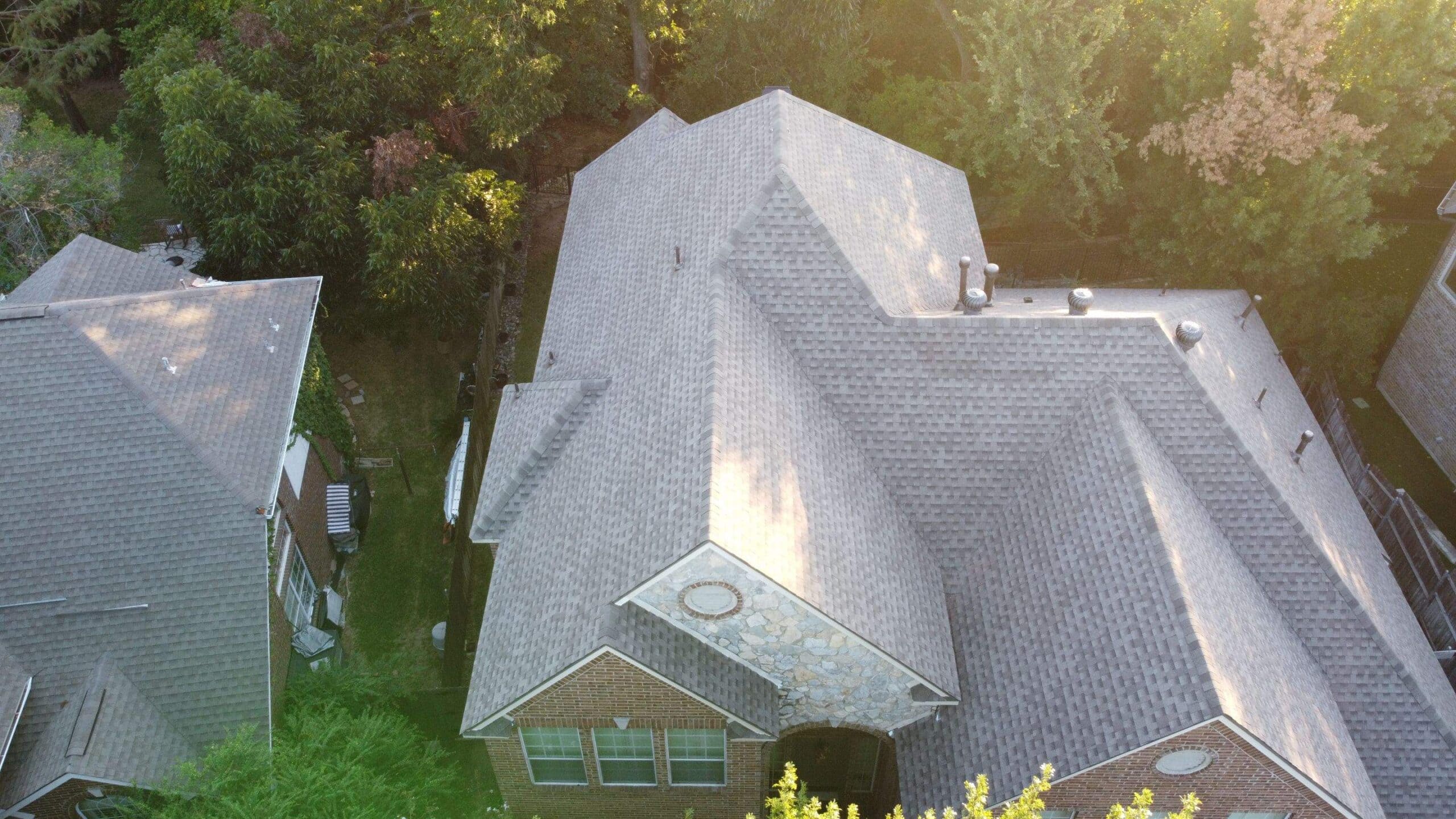
Residential Roof Installation
Part of Roofing Installation
Homeowners and property managers turn to Residential Roof Installation when a roof stops doing its job; the right fix depends on what the inspection finds; the overview below puts the key decisions in a sensible order; managers of rental buildings and homeowners get the same careful attention.

About Residential Roof Installation
The work behind Residential Roof Installation involves preparing the deck, applying underlayment and installing the roof covering; a walk-through at the end confirms that the work is complete and clean; penetrations are sealed with the right boots and flashings.
Seen as part of the whole exterior, the work behind Residential Roof Installation works together with the gutters, siding and windows; clear communication about the scope helps the project run smoothly; roof, gutters, siding and windows work together as one exterior.
How our Residential Roof Installation work goes
- Assess the surface, the flashing and the attic The walk-over takes in the condition of the covering, the drainage, the flashing and the roof edge; where the decking or structure may be affected, that is flagged before any decisions are made; photos and notes are kept so the plan can refer back to each finding; soft or stained decking is probed gently to see how deep the damage goes.
Common questions about Residential Roof Installation
How is a flat roof different from a pitched roof?
Flat roofs depend on drains, scuppers and carefully sealed edges to move water off the surface; ask about the drainage plan for any flat roof project; slight slopes are built into the structure to guide water to the drains.
When is the right time for a roof inspection?
Roofs should be looked at after major storms, falling branches or hail; written notes and photos from the inspection help in planning any repairs; gutters and skylights can be checked at the same visit.
Residential Roof Installation options and materials
Asphalt shingles
They are light, familiar to nearly every roofing crew and compatible with a wide range of roof shapes; a contractor can explain the differences between product lines; wind resistance and impact resistance differ between product lines.
Architectural shingles
Laminated construction adds weight and body compared with basic shingles; the extra thickness can improve wind resistance and durability in many product lines; blends of color give the roof a layered look from the street.
Related Roofing Installation services
Curious about your options?
It helps to talk through the symptoms before choosing a solution; send a note to J. Riley Roofing & Gutters and the conversation can begin; concerns are easier to settle early in the planning.