Asphalt Shingle Roofing
Part of Roofing Installation
A plain-language guide to Asphalt Shingle Roofing, from the first look at the roof to the final cleanup; materials, methods and care are all covered below. J. Riley Roofing & Gutters is ready to look at your roof and talk through the options; a site visit makes the options much easier to judge.

About Asphalt Shingle Roofing
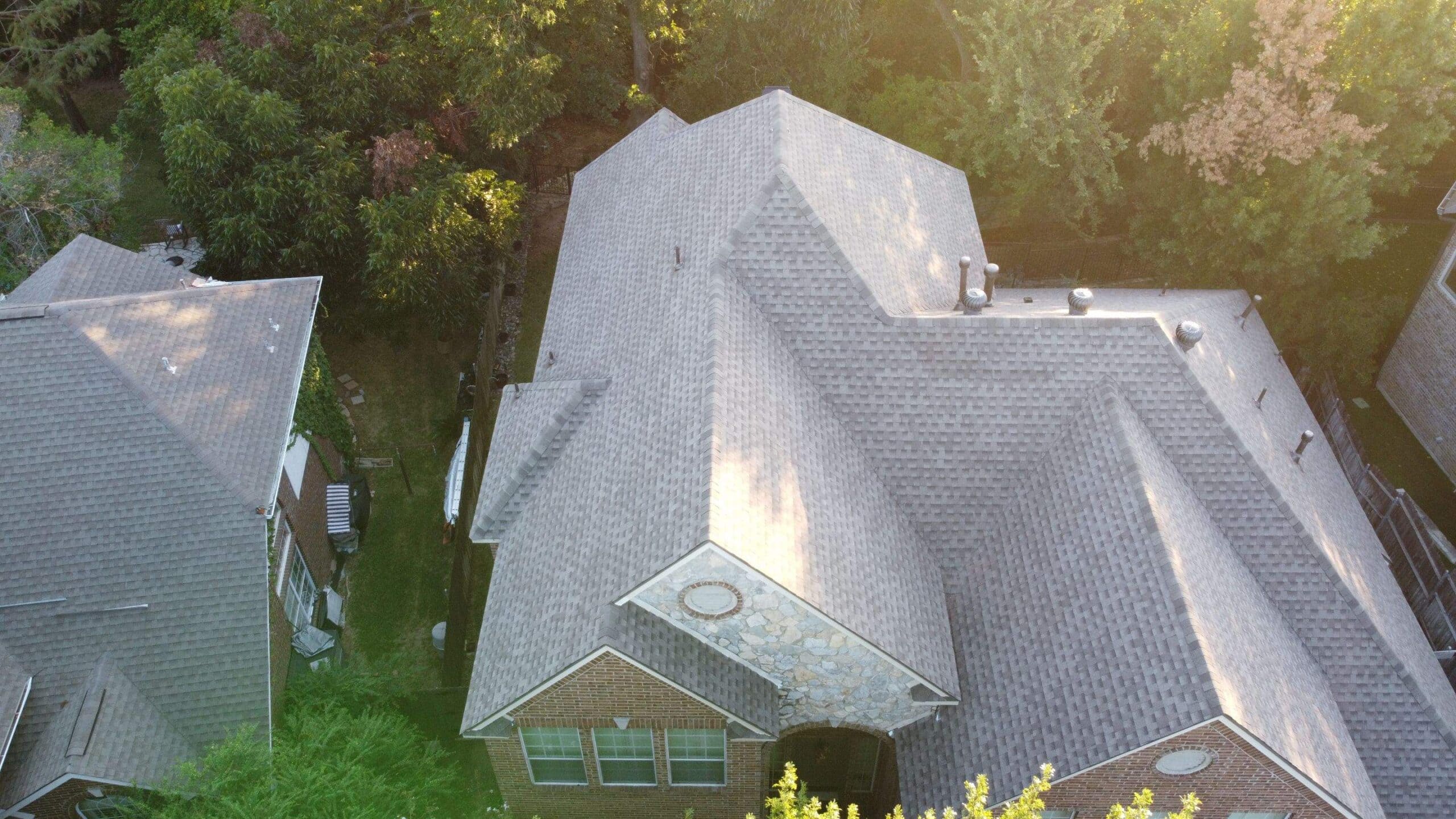
The Asphalt Shingle Roofing service is about choosing a shingle line and installing it to the manufacturer instructions; color samples are easiest to judge outdoors in daylight; matching hip and ridge pieces finish the look.
The project type called Asphalt Shingle Roofing fits into the larger goal of keeping weather out of the building; planning ahead keeps the work simple and the results lasting; flashing, ventilation and drainage each play a part.
Asphalt Shingle Roofing options and materials
Asphalt composition shingles
As a choice, asphalt shingles balance protection, appearance and installation convenience for most residential roofs; ventilation and underlayment affect how well the roof performs, whatever shingle is chosen; starter strips and ridge caps are part of a complete shingle system.
Premium and luxury shingles
Laminated construction adds weight and body compared with basic shingles; the extra thickness can improve wind resistance and durability in many product lines; samples viewed in daylight show true color better than a brochure.
How our Asphalt Shingle Roofing work goes
- Look over the whole roof system The roof is examined for worn, cracked or missing material, lifted seams and damaged flashing; where the decking or structure may be affected, that is flagged before any decisions are made; the pitch, height and access of the roof are noted so the work can be planned safely; the inspection can be repeated after storms if concerns remain.
Common questions about Asphalt Shingle Roofing
Do I need a roof inspection?
Roofs should be looked at after major storms, falling branches or hail; a contractor can explain what the inspection finds and what, if anything, needs to be done; pre-purchase inspections tell a buyer what to expect.
How do low-slope roofs work?
Pitched roofs shed water by gravity, while low-slope roofs need a continuous waterproof surface; repairs are often done in sections, and the membrane type determines the method; roof-mounted equipment is a frequent source of damage and leaks.
Related Roofing Installation services
Ready for the next step?
A conversation with J. Riley Roofing & Gutters is a good way to turn the questions above into a plan; ask for an estimate whenever you are ready to compare options; plain answers come before any commitment.