Roofing
Stains on the ceiling, missing shingles, daylight in the attic and granules in the gutters are common reasons to look into Roofing; the right fix depends on what the inspection finds; the overview below walks through the choices in everyday terms; a short visit can answer many questions at once.

Understanding Roofing
Roofing covers every layer that shelters a building from above, from the structural deck to the surface you see from the street; good work on a roof is mostly invisible, because a dry attic and steady indoor temperatures are what a sound roof delivers. Layer by layer, a roof climbs from framing and decking through underlayment, flashing and ventilation to the visible surface on top; each layer has a single job, and a weak spot in any one layer lets water reach places that look perfectly dry from outside. Intense sun heats roofing materials every afternoon and cools them every night, and constant movement tires them out; hail bruises shingles and dents metal in seconds, and wind lifts any edge that was not fastened properly.
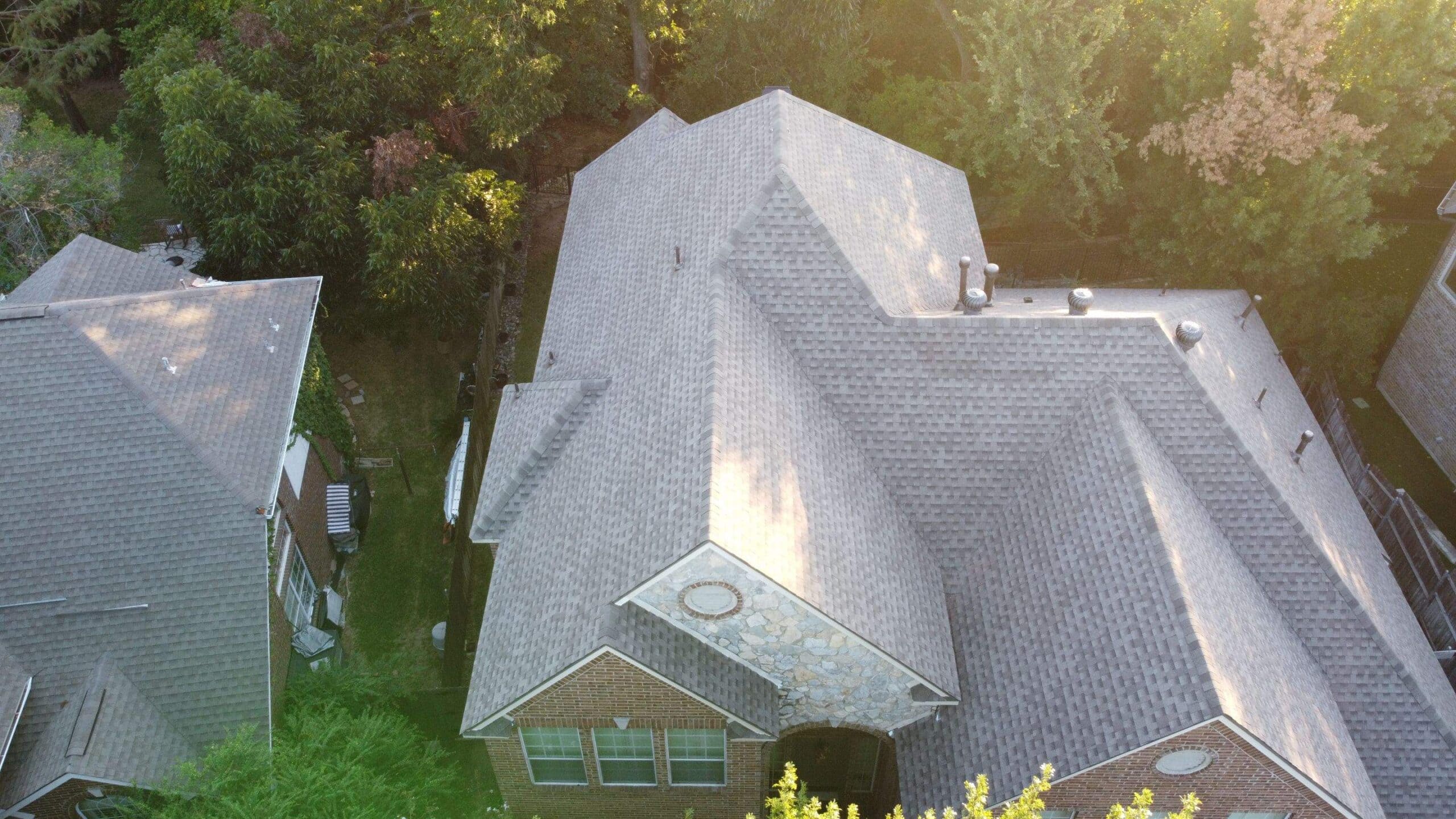
Tile brings a distinctive look and heavy durability, though it asks for framing strong enough to carry its weight; a surface chosen for appearance alone can disappoint, since weight, slope and ventilation all limit what a roof can carry. Complicated rooflines look attractive, yet every intersection calls for extra flashing and attention; roof geometry is one of the first things a professional studies, because it drives materials, labor and sequence. Intake vents low on a roof and exhaust vents near the peak work as a pair, moving air through the attic from bottom to top; a quick look at soffit openings and attic insulation tells a roofer a great deal about how a roof breathes. Roof drainage works as a chain, from the surface to the edge to a gutter to a downspout, and a break at any point sends water the wrong way; stains below an eave or along a wall are an invitation to look at roof edges and the first few feet below them.
Regular attention keeps small defects from growing, because water that finds one way in keeps returning to the spot where it started; a roofer looks closer than a homeowner can, so a professional visit every so often is a sensible habit. Before work starts, the conversation should cover access, protection for landscaping, delivery of materials and a plan for rain; photos of problem areas and a written list of items make proposals easy to compare.
Scope grows or shrinks with the building, because a small single-story house and a large multi-section roof need very different amounts of labor and material; extra layers of old roofing add weight and hide problems, so tear-off is a common step before anything new goes down. Scheduling around weather is part of the craft, and an honest crew explains how rain, wind and heat can move a start date; a roof is only as good as its installation, and installation is only as good as the conditions it is done in.
Roofing options and materials
Concealed-fastener metal roofing
Standing seam roofs use long metal panels that interlock with raised seams running from ridge to eave; underlayment, clips and flashing details determine how well the roof performs; colors are baked on and meant to resist fading and chalking.
Metal in shingle and panel profiles
Among the options, metal shingles are formed to resemble slate, shake or tile and are installed in small interlocking pieces; ask how the system handles snow, wind and expansion; panel profiles include ribbed, corrugated and shingle styles.
Asphalt shingles
The shingles are made from a fiberglass mat coated with asphalt and topped with mineral granules; granule loss in the gutters is a sign that shingles are wearing; colors range from soft grays to deep browns and blacks.
Architectural and designer shingles
The thicker profile gives the roof more texture and a more substantial appearance; a contractor can show what each tier of shingle offers; premium lines may come with additional accessory components.
Clay tile
The weight and thickness of tile give a roof a solid, substantial appearance; ask about the fastening method, since it matters for wind performance; underlayment is especially important since water can pass under tiles.
How our Roofing work goes
- Begin with a roof inspection The roof is examined for worn, cracked or missing material, lifted seams and damaged flashing; notes on the age and condition of the existing roof guide the choice between repair and replacement; photos and notes are kept so the plan can refer back to each finding; safety lines and ladders are set up before anyone climbs.
- Choose the system and plan the details Choices are weighed against the climate, the budget and the use of the building; agreeing on the details in advance keeps the work on track; questions about noise, parking and working hours are settled before the start; alternate approaches are sketched when the roof is complex.
- Remove, repair and install The crew works section by section, protecting the building and the landscaping as the roof is opened; the roof covering is installed to manufacturer specifications, with proper fastening and sealing; ridge and hip details are completed so the roof edge is sealed; the crew keeps walkways and driveways clear.
- Check the work and clear the site The contractor checks that the drainage works and that the gutters are clear of debris; the site is swept, and a walk-through explains the finished work and how to care for it; leftover material is removed so nothing remains on the property; the crew checks the vents and flashing one more time.
Common questions about Roofing
My roof is leaking, what now?
Safety comes first, so avoid climbing onto a wet roof or touching wet electrical fixtures; contact a roofing contractor and describe where and when the leak appears; a drip pan or bucket should be emptied often to avoid spills.
What is the difference between asphalt and metal roofs?
Metal comes as panels or shingles and tends to be more rigid, while asphalt is flexible and quick to install; a side-by-side comparison of samples is a good way to see the differences; samples help show how colors look in daylight.
Do flat roofs need special care?
Flat and low-slope roofs drain slowly and rely on membranes and sealed seams instead of overlapping pieces; ask about the drainage plan for any flat roof project; walkway pads protect surfaces where maintenance crews travel.
When should a roof be inspected?
Older roofs benefit from more frequent checks, because wear accelerates with age; written notes and photos from the inspection help in planning any repairs; a written report with photos makes follow-up work easier.
How does flashing protect a roof?
The material directs water away from joints and openings, where leaks are most likely to start; a contractor can explain how each transition will be flashed; sealants are a temporary measure unless backed by proper metal.
How do I decide between roof repair and replacement?
A handful of damaged pieces can be replaced without touching the rest of the roof; when problems are everywhere or keep returning, replacing the roof is the sounder choice; the condition of the deck below the covering is part of the decision.
What customers say
Very pleased with what J Riley Roofing (Jason, Dasha and the whole crew) did for me, stripping down and replacing my roof. I had many concerns since I have a steep pitched roof and Jason was very patient with me with all my questions. Everyone worked hard and were respectful of my property. Jason was here working and...
My new roof and gutters exceeded my expectations!! I would highly recommend this company for your roofing needs. I will be recommending them to anyone of my friends needing roof or gutter installation or repairs. Thank you very much, Dasha & Jason 😁
J. Riley Roofing & Gutters were awesome people. My house had damage to the gutters after the tornado in Springtown. I called J. Riley and was very fortunate. They were able to come to my house the same day and give me a quote to replace my damaged gutters. I was even more fortunate because they were working near my...
We had the most positive experience ever with Jason and his crew. Upon meeting Jason for our estimate he was very thorough and professional. He showed genuine care and concern for meeting every need and giving a fair price. One of my concerns was the protection of our flower beds and hedges and he provided so much...
J Riley Roofing & Gutters supplied and installed 250' of gutter guards for our home. Very personable and professional, great product, job completed on schedule, and installation was excellent. Extremely reasonable price.
Working around the rain can be trying for a roofer but J Riley Roofing got the job done - looks great ! 👍
Areas we serve for Roofing
We provide Roofing across 27 areas.
- Annaville Texas 940-456-9905
- Argyle Texas 940-456-9905
- Azle Texas 940-456-9905
- Boyd Texas 940-456-9905
- Briar Texas 940-456-9905
- Bridgeport Texas 940-456-9905
- Decatur Texas 940-456-9905
- Haslet Texas 940-456-9905
- Justin Texas 940-456-9905
- Keller Texas 940-456-9905
- Krum Texas 940-456-9905
- Lake Worth Texas 940-456-9905
- Lakeside Texas 940-456-9905
- New Fairview Texas 940-456-9905
- Northlake Texas 940-456-9905
- Ponder Texas 940-456-9905
- Reno Texas 940-456-9905
- Rhome Texas 940-456-9905
- River Oaks Texas 940-456-9905
- Roanoke Texas 940-456-9905
- Saginaw Texas 940-456-9905
- Sansom Park Texas 940-456-9905
- Springtown Texas 940-456-9905
- Trophy Club Texas 940-456-9905
- Watauga Texas 940-456-9905
- Westworth Village Texas 940-456-9905
- White Settlement Texas 940-456-9905
Our other services
Wondering what is right for your building?
Sometimes a second opinion is all it takes to sort out a roofing problem; send a note to J. Riley Roofing & Gutters and the conversation can begin; concerns are easier to settle early in the planning.