Storm Damage Roof Repair
Part of Roofing Repair
Handled well, the work behind Storm Damage Roof Repair protects the structure, the insulation and everything inside; materials and style are only part of the picture; this guide explains what goes into the work and how to compare your options; the details are put in writing.

About Storm Damage Roof Repair
The work behind Storm Damage Roof Repair covers patching, replacing individual pieces and re-sealing joints and penetrations; matching the existing roof covering is part of the planning; repairs near chimneys and walls usually include flashing work.
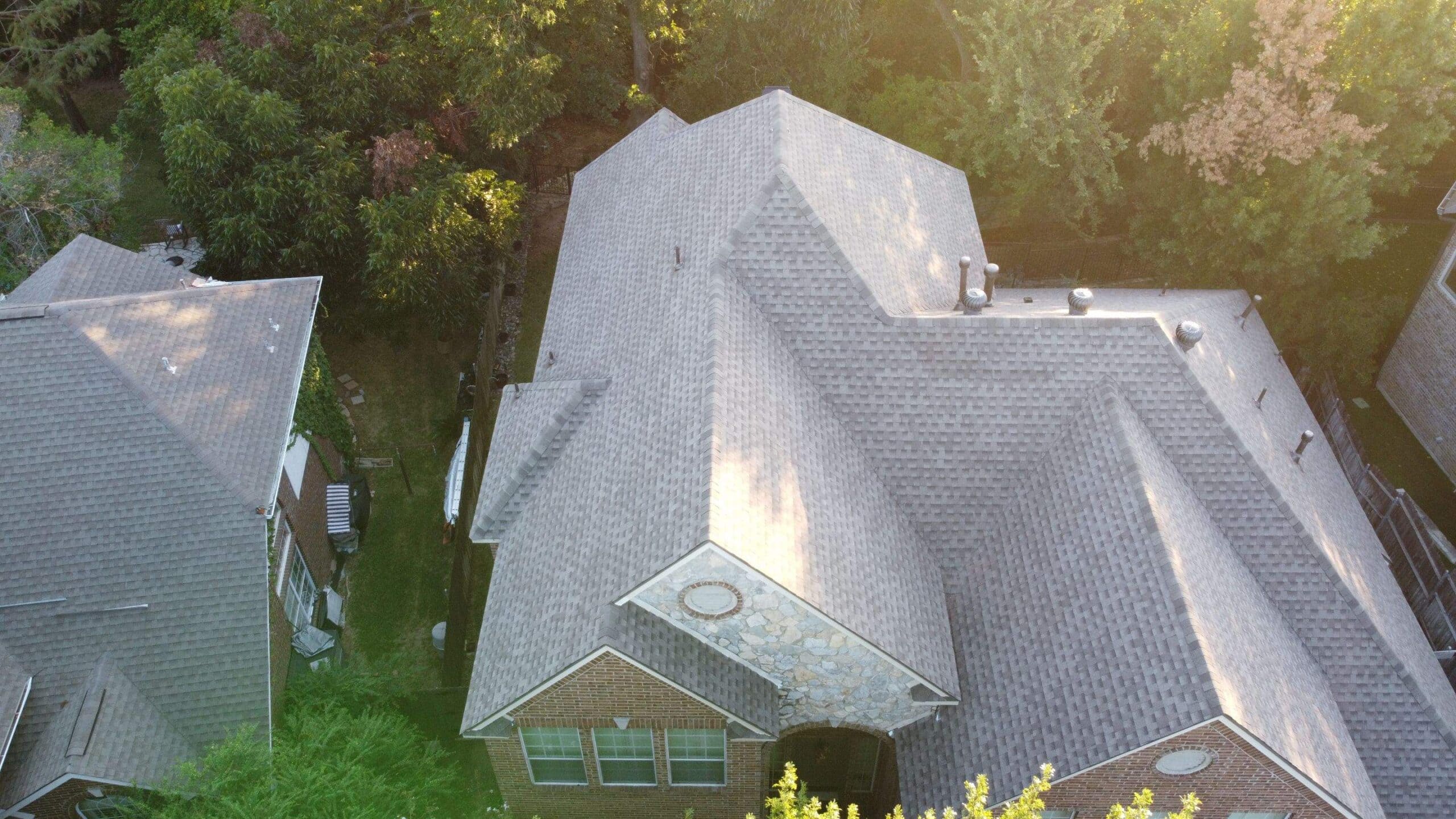
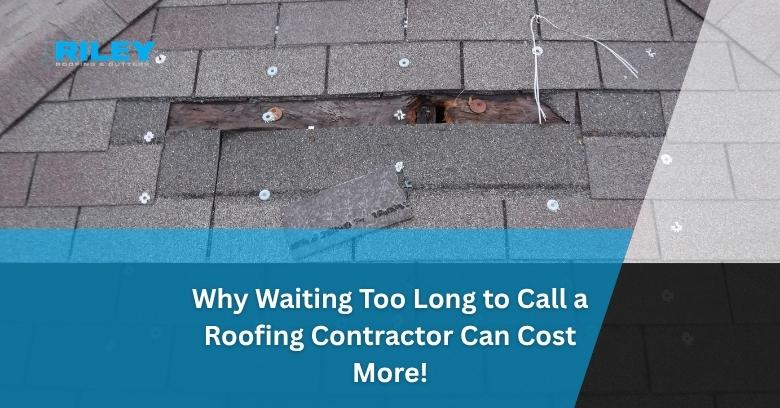
Roof damage from wind, hail, falling branches or other severe weather is the starting point for Storm Damage Roof Repair; safety comes first, so work at height is left to trained crews; roof sections on every slope are checked, not just the ones facing the street.
How our Storm Damage Roof Repair work goes
- Inspect the roof and the structure The first step is a close look at the surface and at the places where water tends to enter; attic or interior checks look for stains, damp insulation, daylight and poor ventilation; photos and notes are kept so the plan can refer back to each finding; a moisture meter or camera may be used on suspect areas.
Storm Damage Roof Repair options and materials
Architectural and designer shingles
Designer lines are made to resemble natural materials while keeping the practicality of asphalt; the extra thickness can improve wind resistance and durability in many product lines; thicker shingles often feel more substantial underfoot during installation.
Asphalt shingle roofing
Among the options, asphalt shingles are the most widely used residential roofing, available in many colors and styles; ventilation and underlayment affect how well the roof performs, whatever shingle is chosen; colors range from soft grays to deep browns and blacks.
Common questions about Storm Damage Roof Repair
How should storm damage to a roof be documented?
Take pictures and notes before any cleanup or temporary repairs are made; take your time to compare written proposals before making decisions; ceiling stains should be photographed and measured to track growth.
What should I ask before hiring a roofing contractor?
Look for removal of the old material, underlayment, flashing, ventilation and cleanup in writing; written details prevent misunderstandings about the work; a drawing of the roof helps everyone agree on the area covered.
Related Roofing Repair services
Begin with a conversation
Whatever the condition of your roof, the first step is to take a careful look; ask J. Riley Roofing & Gutters to take a look at your property; photos and measurements are taken to keep the plan accurate.