Deciding on Roof Replacement in Annaville Texas
J. Riley Roofing & Gutters replaces an aging roof from the sheathing up, with each layer renewed, and the property is protected and cleaned up throughout.
Phone 940-456-9905, and a roofer will arrange a visit to measure the roof.
Clues That Replacement Is the Honest Answer
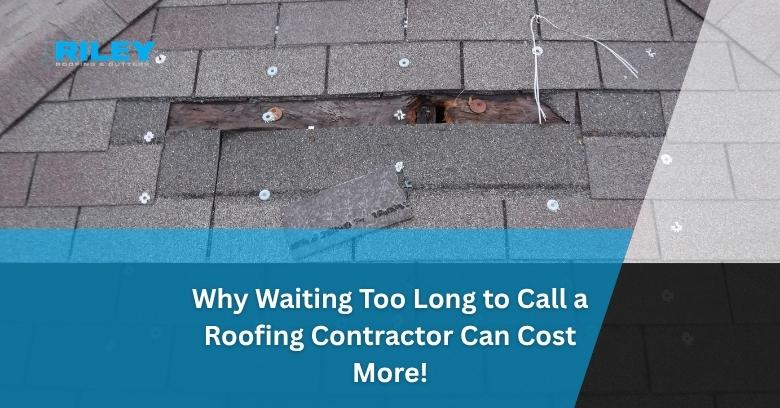
Asphalt shingles lose their mineral surface gradually, and a roof that is shedding it widely is reaching the end of its life, and the pattern across the roof matters more than any single bare spot. Shingles that curl at the edges or crack when pressed have dried out after long seasons of heat, and the problem is usually worst on the slopes that face the afternoon sun. Once leaks appear in more than one spot, a full look at the whole roof is overdue, and a thorough inspection can separate a fixable detail from a failing system. Widespread impact damage often tips the balance toward Roof Replacement because the covering is compromised everywhere, and spot repairs on a heavily damaged roof tend to be short-lived.
Tear-Off Versus Overlay
Some houses can take a second layer under the rules, while others already carry the limit, and an overlay adds weight that the framing has to carry. Only a tear-off reveals the true state of the deck, and every replacement should plan for that, and it gives the new roof a flat, solid base to rest on.
Sheathing: The Layer That Holds Everything
The deck is the foundation of the new roof, and it has to be sound before anything is installed over it, and the written scope should say how extra boards will be handled. A good proposal explains in advance how any additional decking will be measured and recorded, and the decision to replace a board should rest on its condition.
The Sequence of a Replacement
Before any shingles come off, the crew lays tarps, moves what can be moved and sets up a place for waste, and any rotted boards are marked for replacement. Once the deck is ready, underlayment goes down so that the house is protected even before the shingles arrive, and the pace should never come at the expense of the details. A final walk over the roof checks the flashing, the vents and the ridge before the crew leaves, and photographs of the completed roof are a useful record.
What the City or County May Require
In many places the roofer, not the homeowner, files for the permit and arranges the inspection, and a code official may visit afterward to look at the finished work. Ask for the scope of work, the materials to be used and the schedule in a single written document, and a section on how extra decking is handled is a good sign.
What to Put on the Roof Next
A replacement is a chance to choose a covering built for sun, wind and hail, and lighter colors reflect more of the summer sun. Choosing a better underlayment can add protection at the point where most leaks begin, and the roofer should be willing to put the specifications in writing.
Preparing the House and the Yard
A roof replacement is noisy, and the hammering on the roof carries through the whole house, and fragile items on walls and shelves can rattle loose. Debris, nails and dust will fall during a tear-off, so the yard and the walls need protection, and the homeowner should walk the yard with the crew afterward.
The Attic Is Part of the Project
A replacement is the ideal moment to correct attic ventilation, because the deck is open and every vent can be placed properly, and blocked soffits and undersized vents are easy to fix during the project. Any pipe or duct passing through the roof needs its own properly flashed opening, and dark stains on the underside of the deck are a clue that moisture has been trapped.
Where New Roofs Succeed or Fail
Replacing the metal along with the shingles gives the new covering a fresh, watertight set of joints, and drip edge at the eaves and rakes guides water into the gutter. Metal drip edge and a good starter strip keep the lowest and outermost shingles from lifting, and a roofer should describe the fastening method used at edges.
Timing the Work Around the Forecast
A typical house takes a few working days, with larger or more complicated roofs taking longer, and demand surges after a hail event, so waiting lists can grow. Waiting for a leak to force the issue usually means working in the worst possible weather, and the right moment is when the roof is clearly aging but not yet leaking.
Life With a Freshly Finished Roof
Even a perfect installation deserves a glance after the first hard thunderstorm, and small issues are easiest to fix when they are caught early.
Knowing Who Will Be on Your Roof
Ask whether the people on your roof work directly for the roofer or for a subcontractor, because it affects who answers questions, and a supervisor who walks the roof at the end is a good sign. Protection of landscaping, patios and vehicles should be described before the first day of work, and any damage should be reported and handled openly. Asking for photographs at key stages is a reasonable request on any roofing project, and a roofer who takes them anyway is likely to be careful about the work.
A roof replacement is a large project for any household, and it helps to go in with realistic expectations, and taking time to understand the scope pays off for years.
The life of a new roof is shaped by the quality of the installation and the attic ventilation as much as by the shingle itself, and small repairs made promptly keep minor issues from becoming major ones. A proposal that looks simpler or shorter may simply leave out work that another one includes, and written details prevent misunderstandings later.
Starting Roof Replacement in Annaville Texas
A phone call to J. Riley Roofing & Gutters at 940-456-9905 starts the conversation about Roof Replacement in Annaville Texas, and the visit ends with a written scope you can read at your own pace.