Roof Installation in River Oaks Texas: Building the Roof Layer by Layer
J. Riley Roofing & Gutters builds a roof from the deck up and explains each layer as it goes on, and you can ask about any layer you see on the roof.
Dial 940-456-9905, to plan a new roof with a roofer.
The Parts of a Complete Roof System
Metal drip edge along the eaves and rakes guides water off the roof and protects the edge of the deck, and each layer is chosen to work with the ones around it. Self-adhering membrane at the lowest edges and in valleys adds a seal where water gathers, and flashing is cut to each joint and not borrowed from the old roof.
Asphalt Shingle Roofing and Why It Is So Common
Asphalt Shingle Roofing is popular because it is light, familiar and available in many colors, and the range of colors makes it easy to match a house. Asphalt Shingle Roofing Installation follows the manufacturer's pattern for spacing, nail placement and offsets, and nails driven too high or too deep can let shingles slip or lift in wind.
Thicker, Layered Shingles and How They Go On
Laminated shingles have a varied surface that hides small imperfections in the roof plane, and the extra mass helps it resist lifting in strong wind. The ridge is finished with caps cut or made for the purpose, not with trimmed field shingles, and the pieces at the edges deserve as much attention as the field.
When a Roof Is Meant to Stand Out
A designer shingle often has a deeper profile, unusual cuts or a color blend that the standard line does not offer, and the manufacturer's instructions for each line should be followed closely. Premium Shingle Roofing Installation is often chosen where hail and wind are a worry, and the same careful nailing applies as with any other shingle.
Pitch, Planes and Penetrations
Chimneys, skylights, vents and dormers each add a detail that has to be flashed by hand, and measuring carefully avoids running short in the middle of the job. Intake and exhaust vents should be balanced so air moves through the attic instead of sitting there, and heat in summer is hard on both shingles and the house below.
When Roof Restoration Is Enough
Roof Restoration is the work of cleaning, repairing and sometimes coating a roof so that it lasts longer without starting over, and it only makes sense when the layers underneath are still in good order. A new roof allows the deck to be checked and repaired, which restoration usually cannot do, and a roofer who explains both options gives you room to decide.
Bare Boards: The Moment of Truth
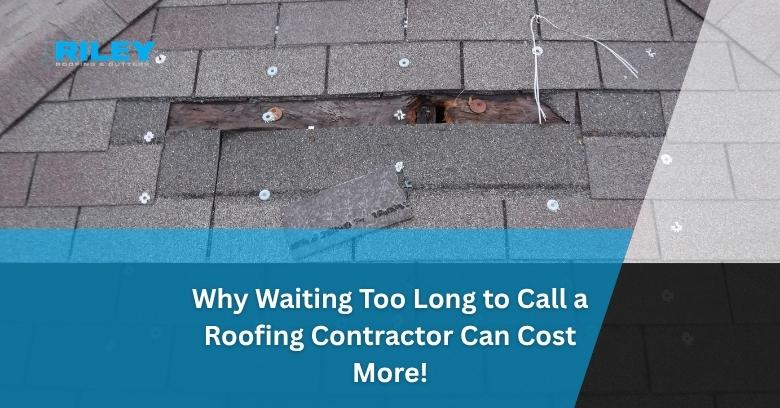
Rotted or damaged sections of the deck are cut out and replaced before the new layers go on, and a moist or stained board is worth pointing out to the homeowner. The sheet is lapped so that water runs over every seam and not into it, and the roof is covered quickly so that a surprise shower does not soak the deck.
Flashing, Vents and the Details
The metal at every joint should be replaced when a roof is installed, since reused flashing is a common source of later leaks, and sealant alone is not a substitute for proper flashing. Ridge vent runs along the peak and works with intake at the eaves, and the ridge is finished neatly once the vents are in place.
What the Crew Does and When
Materials are usually delivered ahead of the work, and bundles are spread on the roof so that crews can work without hauling, and the weather forecast is watched closely through the day. Rain, wind and extreme heat can all delay work, and a careful crew would rather wait than rush, and the homeowner should be told if the schedule changes.
When Conditions Help and When They Hurt
In mild or warm weather the shingle strips bond quickly and the roof settles into place, and ideal days are dry with moderate temperatures. A roof is also exposed to strong sun for many months, which is hard on dark shingles, and the rating system helps in comparing products.
Final Walk-Through and Paperwork
At the end of the job the roof should be clean, with sealed flashing, a neat ridge and tidy edges, and it is reasonable to look at the roof from the street in good light. Photographs of the deck and layers, taken during the work, can answer questions long after the job, and the color name is needed to match shingles in a future repair.
Choosing Colors and Matching the House
Blended shingles hide dirt and small variations better than a single flat color, and a color that looks close in the catalog may feel quite different on the roof. City permits may be needed for a full roof installation, and the roofer can say what applies locally, and it is better to ask than to assume.
Looking After the Property During the Tear-Off Stage
Dust and small debris can sift down through the attic, so covering stored items there is a good idea, and a quiet room helps people who work from home. After the job the house should be checked for any sign of leaks within the first few rains, and being ready ahead of time makes the work go more smoothly.
The Roof Edge, Fascia Boards and Gutter Line
Drip edge should sit so that water drops into the gutter and not behind it, and a clear gutter is part of a roof that drains properly.
Telling a Careful Installation From a Rushed One
Nails that sit flush and in the right zone, with no exposed heads on the surface, show attention to the way the roof is fastened, and the finished roof should look the same from every side of the house.
Starting a Conversation About Premium Shingle Roofing Installation in River Oaks Texas
Homeowners planning Premium Shingle Roofing Installation in River Oaks Texas can reach J. Riley Roofing & Gutters at 940-456-9905, and a roofer will come out to look at the roof and the attic.