
When Water Gets In: Storm Damage Roof Repair Around Decatur Texas
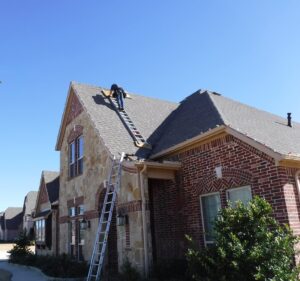
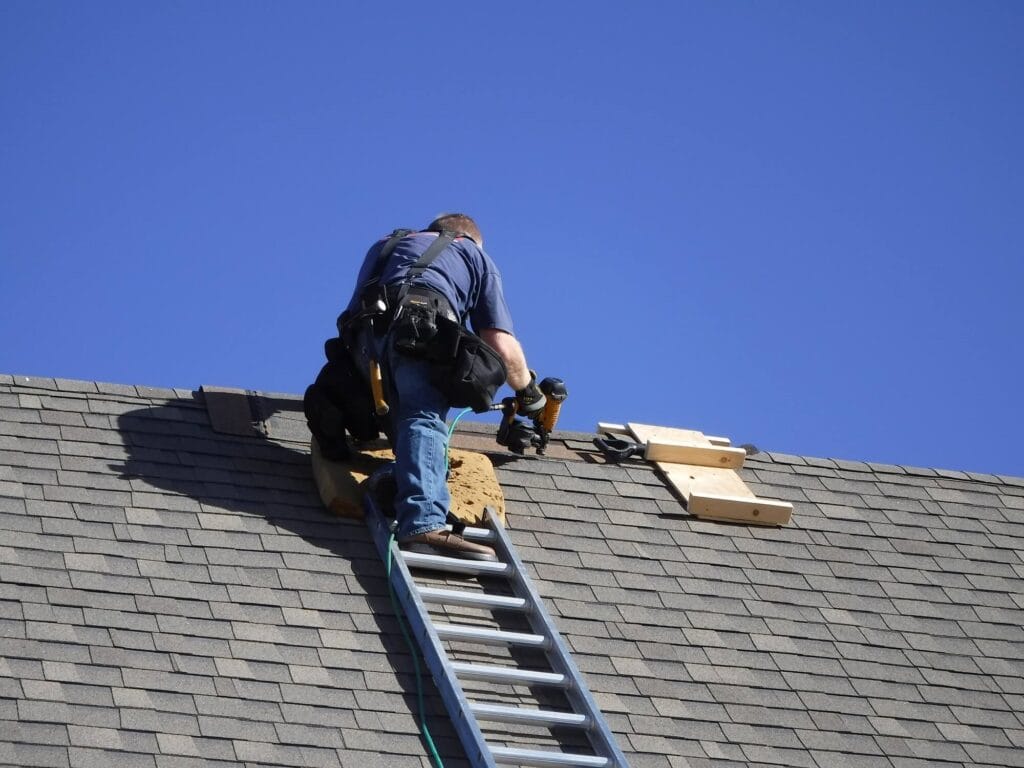
J. Riley Roofing & Gutters finds the cause of a roof leak and repairs that spot, and the rest of the roof is checked while the crew is up there.
Get in touch at 940-456-9905, and someone will set a time to look at the damage.
Why Leaks Show Up Far From the Hole
Water that enters a roof rarely drops straight down onto the spot where you see the stain, and that is why guessing at the source so often fails. Wet insulation in one corner is a clue worth following back up the slope, and a moisture meter can confirm how far the damp has spread.
The Details That Fail First
Flashing around a chimney, a skylight or a wall is the most frequent source of a leak, and the surrounding shingles often need to be lifted and re-laid. Pipe boots, the rubber collars around vent pipes, crack in the sun and let water run down the pipe, and the repair is brief compared with the damage left alone. Nail pops, lifted tabs and cracked shingles open the covering itself to water, and a repair may replace a single shingle or a small section.
What Emergency Repair Really Means
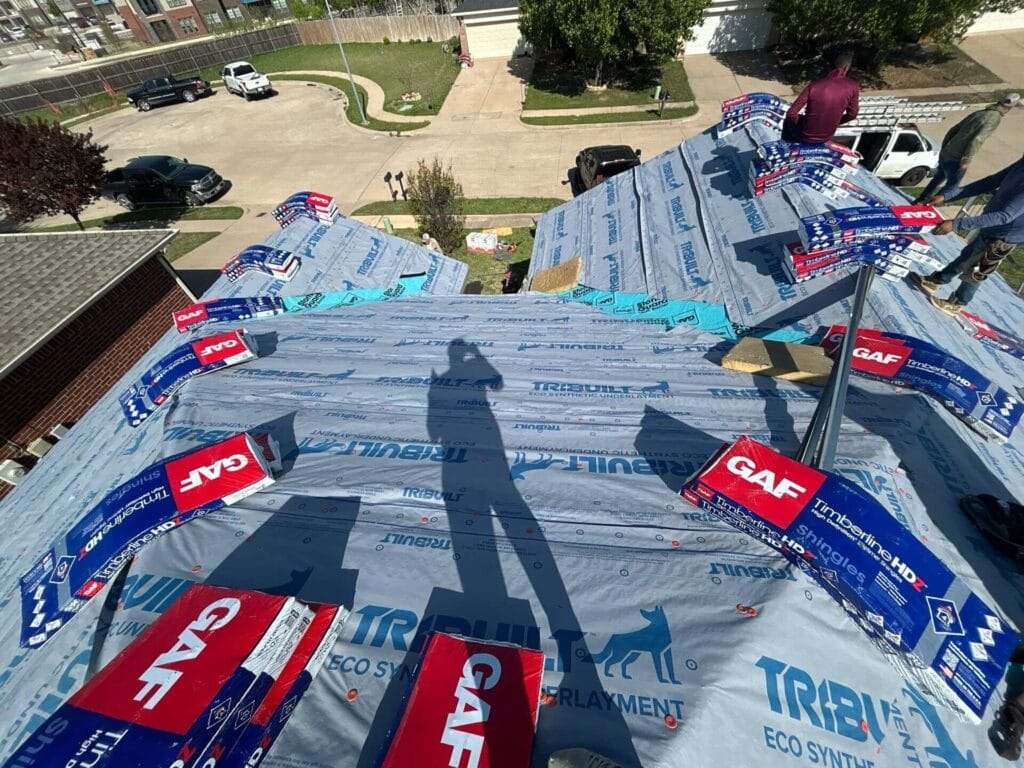
A roof that is open to the weather needs to be covered quickly, whatever the final repair will be, and the temporary measure is not meant to stay for long. Waiting too long to follow a temporary fix with a real one invites a second round of damage, and a record of what was done helps when the permanent work is scheduled.
After the Hail: Putting a Roof Right
Hail leaves round dents in soft metal and bruises in shingles that can be hard to see from the ground, and each type of damage calls for its own kind of repair. Wind damage is often repaired by replacing creased or missing shingles and refastening the surrounding area, and matching color and style is hard when the roof has weathered for years.
The Limits of Roof Repair
A roof in good overall shape deserves a repair that addresses the specific failure, and a small job done properly can add useful time to a roof. When the covering has reached the end of its useful life, patching is a way of postponing the inevitable, and the choice is yours once you know what the roof needs.
Gutters, Vents and Other Small Causes of Leaks
Not every leak starts in the shingles, and a roofer checks the gutters, vents and edges before settling on a cause, and condensation in the attic can mimic a leak even when the roof is sound.
Water in the Walls, Ceiling and Attic
Moisture that reaches the framing can lead to rot if it is never dried out, and fans and dehumidifiers can help drive out the damp. A good repair visit includes a look at what the water has already done, and the right trade should handle drywall, paint and electrical issues.
Shingle, Metal, Tile and Flat: Four Ways to Fix a Leak
On an asphalt shingle roof, a repair usually means lifting the damaged shingles and replacing them with new ones fastened and sealed in the proper pattern, and nails are driven straight and flush, never over-driven or left high. Metal repair focuses on the fasteners, seams and flashings, since the panels themselves rarely wear through, and the right fasteners and sealants matter because metal moves with the heat. A tile repair starts by removing the broken pieces and checking the waterproof layer beneath them, and walking on tile requires care so that good pieces are not broken. Leaks on flat sections are often traced to the edges, the drains and the places where the membrane meets a wall, and repeated leaks in the same place usually mean the cause has not yet been found.
Why Do-It-Yourself Roof Repair Is Risky
A roof is a dangerous place for anyone without the right footwear, harness and experience, and a ladder is not a substitute for proper fall protection. A tube of sealant from the hardware store can make a leak seem to disappear for a few weeks, and a roofer will often have to remove the old sealant before starting.
How a Repair Appointment Unfolds
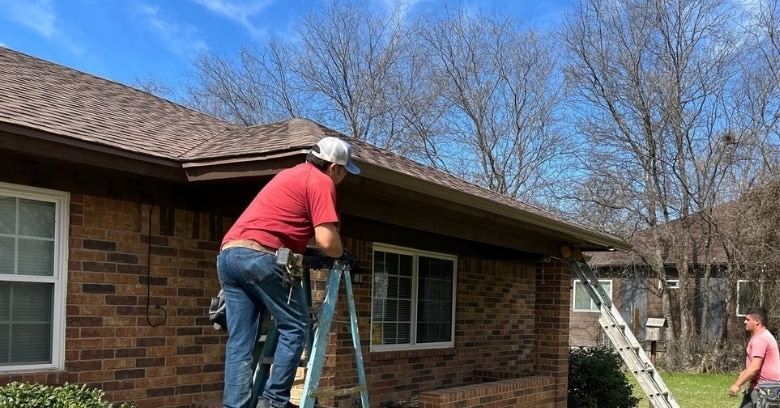
The roofer begins by asking about the leak, including when it shows up and how heavy the rain was, and a quick look inside the house or attic usually follows. After the source is located, the plan for the fix is laid out so there are no surprises, and any other issues noticed on the roof are mentioned honestly.
Timing a Repair Around the Weather
Roofers cannot repair a wet surface safely or properly, so a rainy forecast usually means a temporary measure first, and a roofer will tell you honestly when a repair has to wait. In a long hot summer, roof surfaces can climb far above the air temperature and become hard to work on, and the plan should state what happens if the weather turns during the job.
Keeping a Record of the Repair
The record of a repair should show the damaged area, the cause and the completed work, and the file helps if the same spot ever leaks again. A simple log of leaks, repairs and rain events shows patterns that are easy to miss, and photographs of stains on the ceiling can be added to the same file.
Questions to Ask Before a Repair Begins
Ask the roofer to point out the failure on a photograph so you can see what the repair addresses, and the answers to your questions should be consistent from one visit to the next. Find out how interior damage and follow-up visits will be handled if water still appears, and you should know whom to call if the stain returns.
A roof leak always seems to begin at night, during a storm, or on a weekend, which makes calm decisions harder, and a small hole in a bulging ceiling can relieve trapped water, though this is a job for someone who knows how. A repair is only proven after it has met a good rain, so check the ceiling and the attic after the next storm, and a roofer who cares about the work will want to know.
Taking Care of a Leak: Storm Damage Roof Repair in Decatur Texas
Anyone dealing with a leak can ring J. Riley Roofing & Gutters at 940-456-9905 to ask about Storm Damage Roof Repair in Decatur Texas, and a roofer will come out to find the source of the water.