Whole Roof Replacement
Part of Roofing Replacement
A plain-language guide to Whole Roof Replacement, from the first look at the roof to the final cleanup; everything is written for people outside the trade. Questions are welcome, and J. Riley Roofing & Gutters is glad to answer them; a site visit makes the options much easier to judge.

About Whole Roof Replacement
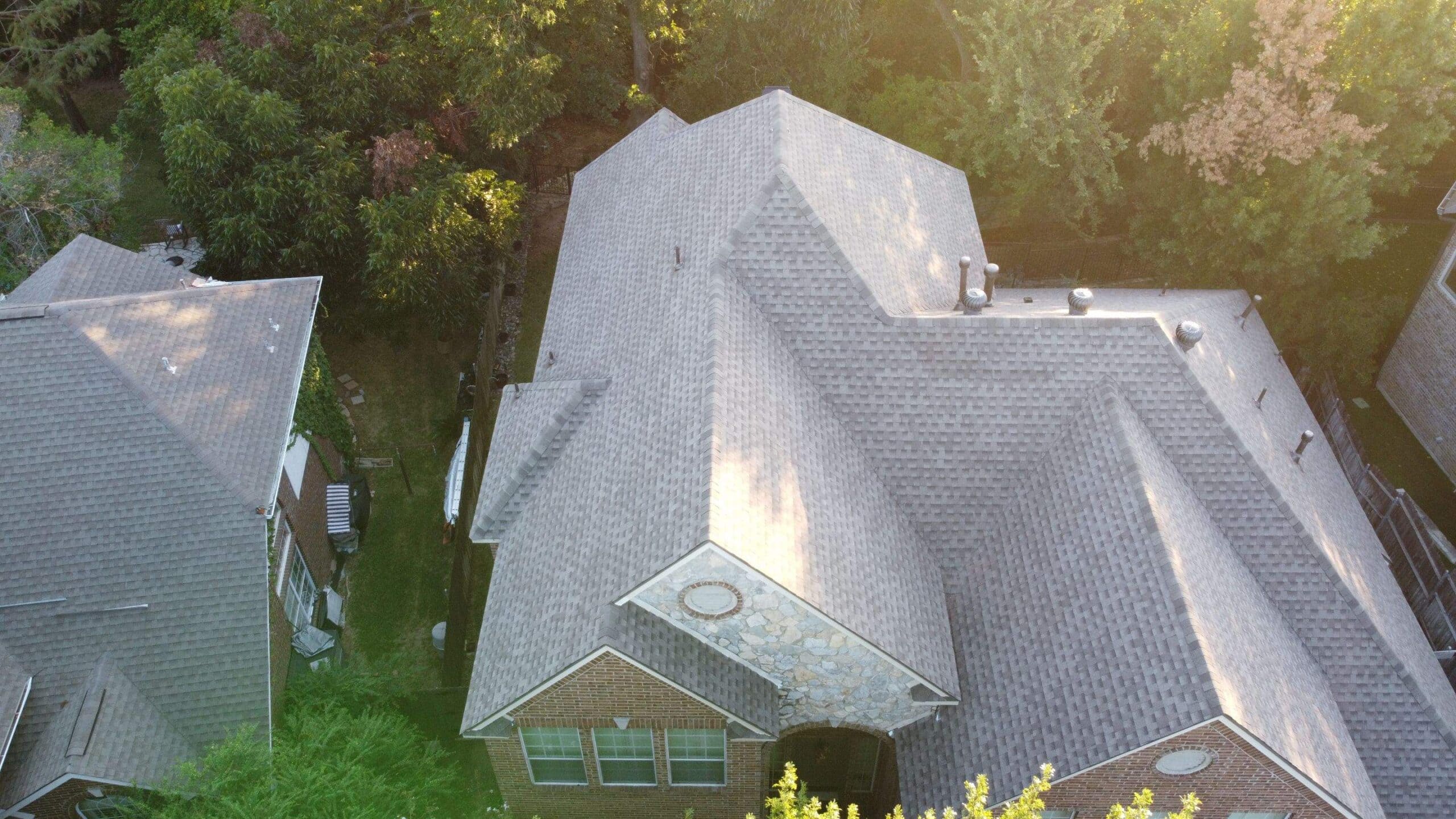
The service known as Whole Roof Replacement means removing the old roof covering and installing a new roof system across the whole building; hidden damage found during removal is repaired before the new roof goes on; color and style are chosen with the look of the street in mind.
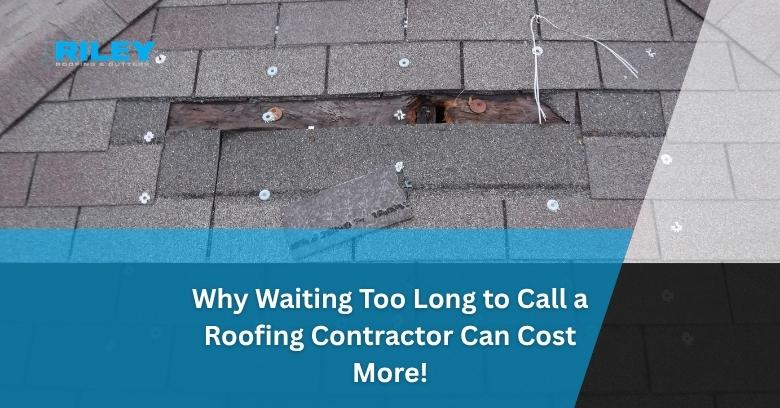
People start asking about Whole Roof Replacement after they notice stains, missing material, leaks or sagging; seeing the roof in person makes the options clearer; the age of the roof is a useful piece of information to share.
Whole Roof Replacement options and materials
Metal shingles and stone-coated metal
Panel and shingle profiles give options for both utilitarian and decorative roofs; the style of the building and the roof pitch influence which profile fits; gaskets under the screw heads should be inspected over time.
Concealed-fastener metal roofing
Standing seam roofs use long metal panels that interlock with raised seams running from ridge to eave; ask how the panels will be fastened and how the seams will be closed; trim pieces at eaves, rakes and ridges complete the system.
How our Whole Roof Replacement work goes
- Begin with a roof inspection An inspection covers the roof covering, the edges, the valleys and every place where something passes through the roof; attic or interior checks look for stains, damp insulation, daylight and poor ventilation; earlier patches and repairs are examined to see whether they are holding; safety lines and ladders are set up before anyone climbs.
Common questions about Whole Roof Replacement
When should a roof be inspected?
Older roofs benefit from more frequent checks, because wear accelerates with age; safety is a concern, so walking on the roof is better left to trained professionals; pre-purchase inspections tell a buyer what to expect.
How is a flat roof different from a pitched roof?
The roofing systems used on flat roofs differ from those on steep roofs, including membranes and layered bitumen; keeping drains clear and removing debris helps protect the surface; roof-mounted equipment is a frequent source of damage and leaks.
Related Roofing Replacement services
Ready to plan your project?
J. Riley Roofing & Gutters can look at your property and talk through the options; a short message is all it takes to get started; notes from the first conversation are shared in writing.