Planning Roofing Replacement Around River Oaks Texas
J. Riley Roofing & Gutters removes the old covering and rebuilds the roof layer by layer, and the scope is set out in writing before the work begins.
Call 940-456-9905, and a visit goes on the calendar.
How to Tell a Tired Roof From a Fixable One
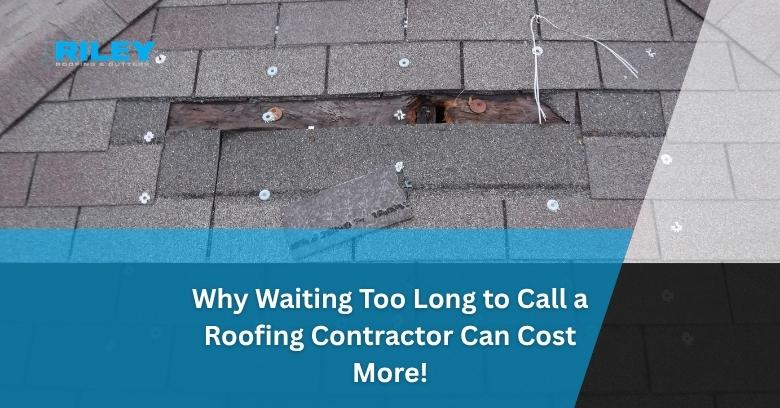
Asphalt shingles lose their mineral surface gradually, and a roof that is shedding it widely is reaching the end of its life, and no repair can restore a surface that has worn away evenly. When many shingles lift, split or crumble, the roof is failing as a whole and not in one place, and the problem is usually worst on the slopes that face the afternoon sun. If the same roof has needed repair after repair, the covering and underlayment may be worn throughout, and the decision should rest on what the roof really needs. Bruises that fracture the shingle mat shorten the life of the covering whether or not a leak has appeared yet, and a roofer counts and documents the marks on each slope.
Re-Cover or Tear Off: Two Ways to Replace
A new layer over an old one saves labor, but it hides the condition of the wood beneath, and an overlay adds weight that the framing has to carry. Only a tear-off reveals the true state of the deck, and every replacement should plan for that, and it gives the new roof a flat, solid base to rest on.
Sheathing Repairs and Surprises
Once the old roof is off, the roofer can see exactly which parts of the deck have failed, and an honest roofer will show you the damaged wood rather than just describe it. Knowing how decking repairs are handled before work starts keeps the project predictable, and unneeded replacement should never be added to the job.
From Tear-Off to Dry-In to Finish
The crew prepares the site carefully before the old roof comes off, and the old covering is removed in sections that can be dried in the same day. The new underlayment, drip edge and flashing go on first, and only then does the visible covering begin, and the pace should never come at the expense of the details. The last stage is cleanup, with magnets run across the lawn and driveway to pick up stray nails, and gutters are cleaned of shingle debris after the roof is done.
Permits, Inspections and Paperwork
Whether a permit is required depends on the town, and a roofer should tell you before work starts, and skipping the process can cause trouble when the house is sold. Good paperwork names the shingle line, the underlayment and the flashing materials rather than leaving them vague, and cleanup, protection of the property and debris removal belong in the document.
Materials for Hot Summers and Hail Seasons
The climate here asks a lot of a roof, so the material deserves some thought, and lighter colors reflect more of the summer sun. Choosing a better underlayment can add protection at the point where most leaks begin, and a ridge vent with soffit intake is a common pairing for good airflow.
Surviving the Noise and Mess of a New Roof
Planning for the sound and the traffic helps the days go more smoothly, and the attic should be cleared of anything stored near the roof deck. Dust and old granules can sift into the attic, so it helps to cover stored items there, and swimming pools and patios should be covered if the work is nearby.
The Attic Is Part of the Project
In a climate with long hot summers, the attic can reach temperatures that bake shingles from beneath, and the right plan depends on the shape of the roof and the size of the attic. Any pipe or duct passing through the roof needs its own properly flashed opening, and a roofer will check the ducts while the roof is open.
Joints, Metal and Finishing Touches
Reusing worn flashing under new shingles is a false economy that tends to show up as a leak, and drip edge at the eaves and rakes guides water into the gutter. The rake and eave edges take the brunt of wind uplift during a storm, and it is fair to ask how the edges will be finished.
Planning Around Storm Season
The schedule should be realistic and should name a window rather than a single hopeful date, and calling early gives more choice about timing. Fall and late winter are often calm times for roof work in this part of the state, and nobody should be pressured into signing on the spot.
Keeping a Fresh Roof in Good Shape
A new roof still needs a look now and then, especially after the first big storm, and any concern should go back to the roofer promptly.
Questions About the Team and the Site
Ask whether the people on your roof work directly for the roofer or for a subcontractor, because it affects who answers questions, and a single point of contact for the job saves confusion. Ask how the crew protects the property and what happens if something is damaged along the way, and nails in the driveway are a common worry that a magnet sweep answers. Documentation during the work matters because most of the roof disappears from view when it is finished, and a roofer who takes them anyway is likely to be careful about the work.
Few home projects change the look and the protection of a house as much as a new roof, and a roofer should be willing to explain every step in plain language.
The life of a new roof is shaped by the quality of the installation and the attic ventilation as much as by the shingle itself, and regular inspections extend the useful life of nearly any roof. A proposal that looks simpler or shorter may simply leave out work that another one includes, and a roofer who answers questions patiently is worth keeping on the list.
Starting Roofing Replacement in River Oaks Texas
If a new roof is on your mind, J. Riley Roofing & Gutters at 940-456-9905 is the number to call for Roofing Replacement in River Oaks Texas, and a roofer will measure the roof and look at the attic.